
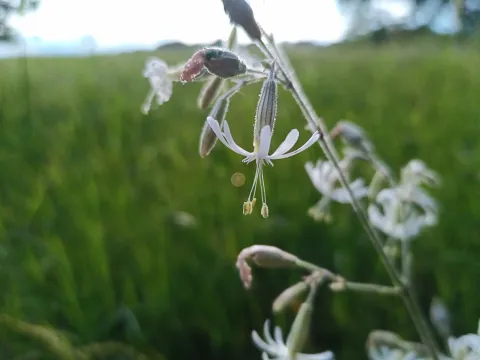
Silene brachypoda
Silene brachypoda
Silene brachypoda, a member of the Caryophyllaceae family, is a unique plant with specific cultivation requirements. Sowing typically takes place in the spring when soil temperatures reach 10–12 degrees Celsius to ensure steady germination.
What the section contains
Silene brachypoda
Seeds of this species benefit significantly from cold stratification, which helps in breaking dormancy and improving the uniformity of seedling emergence. Providing an optimal environment during the initial phase is crucial for establishing a healthy crop.
The seeds are relatively small and should be sown at a depth of 1–2 centimeters. Using precise seeding equipment helps in maintaining consistent spacing, which is vital for the optimal development of the plant architecture.
After planting, the soil should be lightly compacted to facilitate capillary movement of moisture toward the seeds. This step is particularly important in drier climates to prevent the seeds from drying out before they germinate.
Effective stand establishment relies on choosing a site with appropriate soil structure. A well-prepared seedbed free from large clods and competitive weeds sets the foundation for a productive crop cycle.
The crop thrives in well-drained sandy or light loamy soils. It is highly sensitive to waterlogging, as excessive moisture in the root zone can lead to root rot and other physiological disorders, drastically reducing plant vigor.
As a sun-loving species, it requires locations with full exposure to sunlight. Shaded areas should be avoided, as they lead to weak stem development and reduced flowering, which negatively impacts the potential yield.
Silene brachypoda exhibits notable drought tolerance, allowing it to adapt to areas with irregular rainfall patterns. Its ability to maintain vegetative growth under moderate moisture stress makes it a resilient choice for certain environments.
The nutrient requirements are moderate, with a focus on balanced NPK ratios. Excessive nitrogen application should be avoided, as it may result in overly lush vegetative growth that is susceptible to lodging and reduced seed production.
Climatic adaptability is one of the plant's strengths. It can withstand significant temperature fluctuations, including cool spring mornings and hot summer afternoons, without compromising its overall physiological performance.
Crop yield is highly dependent on effective management practices and soil fertility. Under optimal conditions, producers can achieve high yields of both vegetative biomass and valuable seed material for various applications.
Seed production is a critical aspect of this crop. By ensuring proper pollination and minimizing pest pressure during the flowering phase, yields of high-quality seeds can be significantly increased for commercial or propagation purposes.
The plant typically reaches its peak productivity in the second year of growth. During this time, it forms an extensive root system and produces a high number of flowering stems, maximizing the output of the plantation.
Advanced agronomic practices, such as precision fertilization and selective weed control, contribute to higher yields. Continuous monitoring allows for real-time adjustments to ensure the crop meets its full potential.
Reducing post-harvest losses through efficient machinery and proper timing is essential for maximizing the final yield. Every step, from harvesting to storage, plays a part in preserving the quantity and quality of the output.
Like many crops, this species is susceptible to fungal pathogens if grown in overly humid conditions or in poorly ventilated areas. Preventive measures include wide row spacing and proper field drainage.
Specific insect pests that target the flowers and seeds are the primary concern for seed-producing farms. Integrated pest management (IPM) strategies, including biological control, are recommended to protect the crop.
Weed competition is a major challenge during the early seedling stage. Once established, the crop is more competitive, but initial intervention is necessary to prevent weeds from suppressing the growth of young plants.
Root diseases are primarily linked to poor soil management and over-watering. Maintaining good soil health through crop rotation and proper aeration is the best strategy for mitigating these threats.
Monitoring for symptoms of disease or pest infestation should be a regular activity during the growing season. Early detection is key to preventing widespread damage and maintaining the health of the entire field.
Harvesting for seed must be carefully timed. The seed pods should be harvested when they show signs of turning brown but before they naturally split open to release the seeds, which would result in significant yield loss.
For large-scale operations, a two-phase harvesting method is often preferred. This involves cutting the plants and allowing them to dry in windrows before collecting the material with a combine harvester.
During the threshing process, machine settings must be precisely adjusted to ensure the delicate seeds are not crushed. Minimizing mechanical stress during harvest is crucial for maintaining seed viability.
Post-harvest drying is essential to reduce moisture content to safe levels, typically below 14 percent, preventing mold growth and preserving the quality of the harvest for long-term storage.
Proper storage in dry, cool, and well-ventilated conditions is the final step in the harvest process. Using breathable containers ensures the seeds remain viable and ready for future sowing or commercial distribution.