
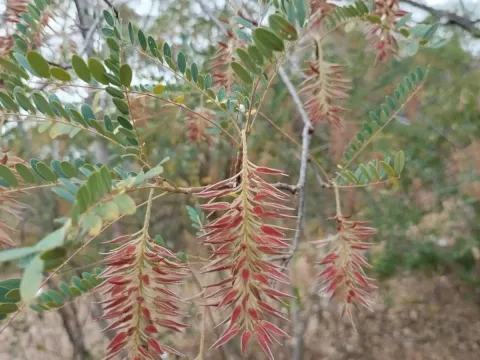
Alvaradoa
Alvaradoa
Alvaradoa is a genus of trees and shrubs belonging to the Simaroubaceae family. These plants are native to the tropical and subtropical regions of the Americas, typically thriving in dry forest environments and limestone-rich terrains where drainage is excellent.
What the section contains

Alvaradoa
Botanically, the plant is characterized by pinnate leaves that create a feathery foliage effect. The flowers appear in elongated racemes, contributing to the distinct aesthetic value of the plant during its flowering season, which varies depending on the regional climate.
The cultivation of Alvaradoa requires full sun exposure and a warm climate, as the species is sensitive to prolonged freezing temperatures. It is well-adapted to environments with distinct dry seasons, demonstrating resilience to drought conditions.
Soil requirements for this plant focus on alkalinity and high permeability. It does not tolerate waterlogged soils, which can lead to rapid decay of the root system. Proper site selection in well-draining soil is crucial for the longevity of the plant.
Economically, the wood of Alvaradoa has been used for small-scale construction and tools, while various parts of the plant are studied for their potential medicinal properties. It is also an important component of ecological restoration in specific tropical areas.
The most significant threat to Alvaradoa is fungal infection resulting from improper moisture management. Soil pathogens easily attack the roots in poorly drained areas, often leading to irreversible damage to the tree's health.
Insect pests such as leaf-eating larvae and scale insects can pose a challenge to younger trees. Monitoring the foliage and stem bark regularly helps to catch infestations early before they lead to structural weakening of the plant.
Powdery mildew may occur if the planting density is too high or if air circulation is inadequate. Ensuring proper spacing between individual trees is a fundamental agricultural practice to mitigate this risk in controlled environments.
Nutrient deficiencies often manifest as chlorosis or stunted growth, necessitating precise fertilization. Regular soil analysis is recommended to maintain the necessary mineral balance required for robust growth in diverse soil types.
Overall, Alvaradoa is considered a low-maintenance crop if established correctly in its preferred climatic zone. Strategic monitoring for typical tropical pests and maintaining soil pH levels ensures sustainable productivity for the plantation.