
Simple aster
Aster simplex
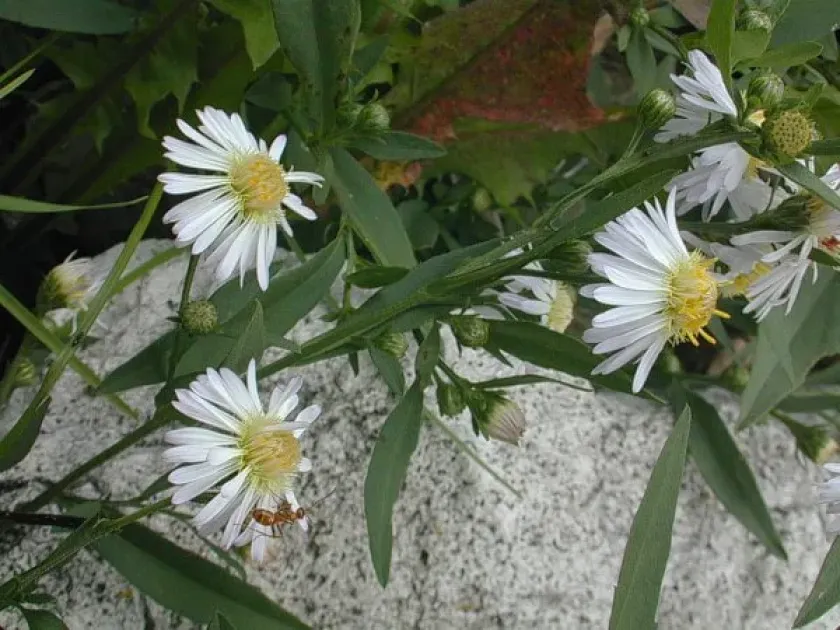
Description
Sowing dates
Sowing simple aster seeds in open ground is best performed in late autumn, allowing the seeds to undergo natural stratification during winter. Spring planting can be done, but it often requires prior cold treatment for uniform germination.
Using a seed tray for indoor starts in early spring is highly effective. The seeds should be sown in a light, moist potting mix and kept in a warm, bright environment until seedlings emerge.
Pricking out the seedlings once they reach the two-leaf stage is essential for building a robust root system. This process helps young plants establish themselves better when transplanted.
Transplanting to the permanent location in the garden should occur after the threat of frost has passed in late spring. Early summer planting allows for better adaptation before the heat peaks.
Proper spacing is crucial for Aster simplex, as it tends to spread. Planting individual specimens at least 50 centimeters apart ensures good air circulation, which helps prevent foliage diseases.
Growing requirements
Aster simplex, a member of the Asteraceae family, thrives in sunny locations. While it tolerates partial shade, full sun exposure is necessary for the plant to produce the most vibrant flowers.
The soil should be fertile, well-draining, and have a neutral or slightly alkaline pH level. Poorly drained soil, especially in winter, can lead to root rot and decrease plant vitality.
Water management is important during the active growing season. Regular, deep watering during dry spells ensures that the plant remains healthy and continues to produce buds throughout late summer.
Providing a balanced fertilizer during the early spring and early summer stages of development supports healthy growth. Avoid excessive nitrogen, as it may lead to weak stems that require support.
Maintenance such as weeding and soil loosening is necessary to maintain an optimal growing environment. Keeping the area clean minimizes competition from invasive weed species.
Main diseases and pests
Powdery mildew is a significant threat to simple aster, especially in humid conditions with limited airflow. It appears as a white dusting on leaves, eventually causing them to yellow and drop.
Rust diseases can also affect the plant, manifesting as small brownish pustules on the foliage. Using appropriate fungicides and removing affected leaves early can prevent the spread.
Aphids and spider mites are the most common pests. Regular inspection of the undersides of the leaves is advised, and infestations should be treated promptly with insecticidal soap or neem oil.
Nematodes can cause significant damage to the root system, leading to overall plant decline. Crop rotation and keeping the planting site clean are the best preventative measures.
Sanitation is key to managing threats; all infected plant debris should be removed and destroyed at the end of the season to prevent the overwintering of pathogens and pests.
Harvesting
The harvest of aster flowers for bouquets should occur when the heads are fully open. Cutting the stems early in the morning and placing them immediately in water extends their vase life significantly.
Seed collection is performed after the flower heads have faded and turned brown. The seeds should be harvested on a dry day to prevent mold and ensure longevity during storage.
Final pruning of the plant occurs in late autumn after the first hard frost. Stems should be cut back to roughly 5-10 centimeters above the soil line to prepare for winter dormancy.
Seeds must be stored in paper envelopes in a cool, dark, and dry place. Properly dried seeds can remain viable for several years if environmental conditions are kept stable.
Effective post-harvest maintenance helps keep the garden healthy. Clearing out old growth each year reduces the risk of recurrent disease cycles for the following spring.