
Eurycoma
Eurycoma
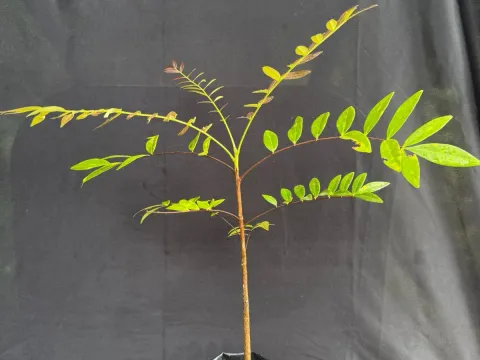
Eurycoma longifolia is a slow-growing evergreen shrub belonging to the Simaroubaceae family. Propagation is primarily achieved through seeds, which are known for their short shelf life, necessitating sowing immediately after fruit harvest. In controlled nursery environments, seeds are planted in highly organic, well-draining substrates to ensure successful germination.
What the section contains
Eurycoma
Sowing should ideally coincide with high humidity seasons to simulate the natural tropical climate. Consistent soil temperatures between 25°C and 30°C are crucial for the development of healthy seedlings. Growers often utilize seed treatments to break dormancy, ensuring a more uniform and vigorous crop establishment in the early stages.
Eurycoma requires specific soil conditions, thriving in light, well-drained loamy soils that prevent waterlogging. The root system is particularly susceptible to fungal pathogens if the soil becomes compacted or water-saturated. Maintaining an appropriate soil pH is essential to support the uptake of nutrients necessary for long-term growth.
The crop is adapted to a humid tropical climate with high annual rainfall and limited seasonal temperature variation. During the early vegetative stages, young plants exhibit a shade-loving behavior and require 50–70% shade coverage to prevent leaf scorching and desiccation. As the plant matures, it becomes more tolerant of light, but consistently moist air remains a key requirement.
The primary agricultural output of Eurycoma is its root system, which is prized for its high content of quassinoids and alkaloids. Harvesting is a destructive process, as the entire plant is removed to extract the mature roots. Because the plants take between 5 to 10 years to reach chemical maturity, commercial cultivation requires significant land investment and long-term site management strategies.