
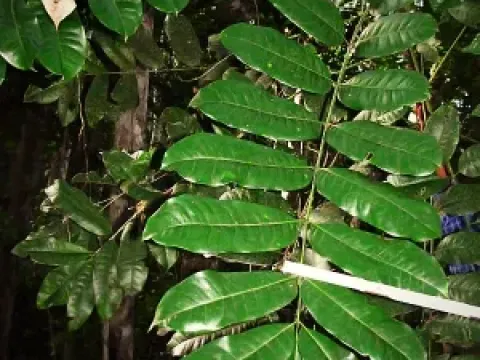
Quassia undulata
Quassia undulata
Quassia undulata is a notable member of the Simaroubaceae family, recognized for its specific chemical profile. It originates from tropical forest ecosystems where high humidity is constant.
What the section contains
Quassia undulata
The plant demands a strictly tropical climate with no risk of frost, as the species is highly sensitive to cold damage in its vegetative tissues.
Cultivation requires well-drained, nutrient-rich soils that support deep root growth while preventing water saturation during peak rainy seasons.
Site selection should prioritize areas that offer protection from high-velocity winds, which can damage the canopy and increase transpiration rates beyond sustainable levels.
Agronomic management involves regular monitoring for soil nutrient deficiencies and ensuring that the irrigation system mimics natural rainfall patterns to support vigorous growth.
The harvesting of Quassia undulata focuses on the wood and bark, which are the primary sources of commercial interest due to their bitter compound content.
Plants are typically harvested when they reach a specific age threshold that ensures the maximum concentration of active insecticidal ingredients.
The process includes cutting, debarking, and mechanical chipping of the wood before the drying stage to preserve the integrity of the chemical compounds.
Post-harvest handling is critical, as improper storage can lead to the degradation of the active components required for commercial applications.
The resulting products are predominantly used as botanical pesticides, providing farmers with an organic alternative for managing common agricultural pests.