
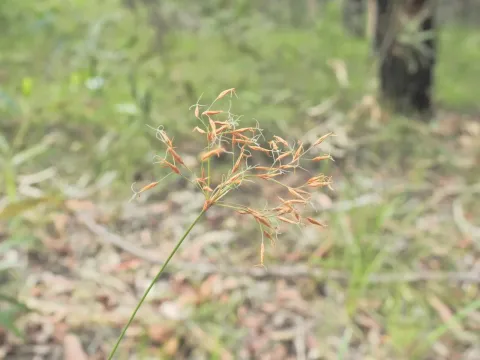
Fimbristylis
Fimbristylis
Sowing or planting Fimbristylis is heavily dependent on the hydrological regime, as it thrives primarily in wet and saturated environments.
What the section contains
 Fimbristylis argentea
Fimbristylis argentea
Fimbristylis argentea
 Fimbristylis autumnalis
Fimbristylis barteri
Fimbristylis barteri
Fimbristylis caesia
Fimbristylis caesia
Fimbristylis cinnamometorum
Fimbristylis cinnamometorum
Fimbristylis autumnalis
Fimbristylis autumnalis
Fimbristylis barteri
Fimbristylis barteri
Fimbristylis caesia
Fimbristylis caesia
Fimbristylis cinnamometorum
Fimbristylis cinnamometorum
 Fimbristylis complanata
Fimbristylis complanata
Fimbristylis complanata
 Fimbristylis cymosa
Fimbristylis debilis
Fimbristylis debilis
Fimbristylis cymosa
Fimbristylis cymosa
Fimbristylis debilis
Fimbristylis debilis
 Fimbristylis dipsacea
Fimbristylis dura
Fimbristylis dura
Fimbristylis eragrostis
Fimbristylis eragrostis
Fimbristylis dipsacea
Fimbristylis dipsacea
Fimbristylis dura
Fimbristylis dura
Fimbristylis eragrostis
Fimbristylis eragrostis
 Fimbristylis falcata
Fimbristylis falcata
Fimbristylis falcata
 Fimbristylis ferruginea
Fimbristylis ferruginea
Fimbristylis ferruginea
 Fimbristylis globulosa
Fimbristylis globulosa
Fimbristylis globulosa
 Fimbristylis griffithii
Fimbristylis koidzumiana
Fimbristylis koidzumiana
Fimbristylis griffithii
Fimbristylis griffithii
Fimbristylis koidzumiana
Fimbristylis koidzumiana
 Fimbristylis littoralis
Fimbristylis merrillii
Fimbristylis merrillii
Fimbristylis littoralis
Fimbristylis littoralis
Fimbristylis merrillii
Fimbristylis merrillii
 Fimbristylis obtusifolia
Fimbristylis obtusifolia
Fimbristylis obtusifolia
 Fimbristylis ovata
Fimbristylis ovata
Fimbristylis ovata
 Fimbristylis pauciflora
Fimbristylis pilosa
Fimbristylis pilosa
Fimbristylis pauciflora
Fimbristylis pauciflora
Fimbristylis pilosa
Fimbristylis pilosa
 Fimbristylis polytrichoides
Fimbristylis polytrichoides
Fimbristylis polytrichoides
 Fimbristylis quinquangularis
Fimbristylis quinquangularis
Fimbristylis quinquangularis
 Fimbristylis schoenoides
Fimbristylis schweinfurthii
Fimbristylis schweinfurthii
Fimbristylis schoenoides
Fimbristylis schoenoides
Fimbristylis schweinfurthii
Fimbristylis schweinfurthii
 Fimbristylis sericea
Fimbristylis sericea
Fimbristylis sericea
 Fimbristylis sieberiana
Fimbristylis sieberiana
Fimbristylis sieberiana
 Fimbristylis spadicea
Fimbristylis spadicea
Fimbristylis spadicea
 Fimbristylis squarrosa
Fimbristylis squarrosa
Fimbristylis squarrosa
 Fimbristylis stauntonii
Fimbristylis stolonifera
Fimbristylis stolonifera
Fimbristylis striolata
Fimbristylis striolata
Fimbristylis tenera
Fimbristylis tenera
Fimbristylis stauntonii
Fimbristylis stauntonii
Fimbristylis stolonifera
Fimbristylis stolonifera
Fimbristylis striolata
Fimbristylis striolata
Fimbristylis tenera
Fimbristylis tenera
 Fimbristylis tetragona
Fimbristylis tetragona
Fimbristylis tetragona
 Fimbristylis thonningiana
Fimbristylis thonningiana
Fimbristylis thonningiana
 Fimbristylis tristachya
Fimbristylis velata
Fimbristylis velata
Fimbristylis tristachya
Fimbristylis tristachya
Fimbristylis velata
Fimbristylis velata
 Nodding Fimbristylis
Fimbristylis nutans
Nodding Fimbristylis
Fimbristylis nutans
 Pointed fimbristylis
Fimbristylis acuminata
Rough fimbry
Fimbristylis scabrida
Pointed fimbristylis
Fimbristylis acuminata
Rough fimbry
Fimbristylis scabrida
 Spathulate fimbristylis
Fimbristylis spathacea
Spathulate fimbristylis
Fimbristylis spathacea
 Summer fimbry
Fimbristylis aestivalis
Summer fimbry
Fimbristylis aestivalis
Fimbristylis
In natural settings, the plant reproduces via seeds that are efficiently dispersed by water currents across marshy and riverbank terrains.
For cultivation, maintaining consistent substrate moisture is critical, especially during the initial germination and early development phases.
The optimal temperature for successful establishment ranges from 18 to 22 degrees Celsius, which promotes vigorous root and leaf development.
Seeds often require pre-sowing treatments, such as cold stratification, to break dormancy and ensure uniform emergence across the field.
Fimbristylis belongs to the Cyperaceae family and is recognized as a hygrophyte, naturally adapted to boggy or seasonally flooded areas.
The plant thrives in tropical and subtropical climates where high humidity and substantial solar radiation are consistently present.
Soil requirements involve a preference for acidic to slightly acidic conditions, rich in organic matter typical of alluvial and wetland deposits.
Water access is the primary survival factor; the plant exhibits excellent tolerance to waterlogging, which distinguishes it from many other crops.
Botanically, it features narrow leaves and characteristic spikelet inflorescences, allowing it to manage gas exchange efficiently in humid conditions.
The agricultural utility of Fimbristylis is largely tied to its role as a forage resource for livestock in wetland and coastal regions.
The biomass contains a significant level of fiber, providing a sustainable, albeit supplementary, nutrition source for grazing animals.
Yield potential is directly correlated with nutrient availability in the silt and effective management of water depth throughout the season.
In addition to fodder, certain species are valued for their stems, which are utilized in artisanal weaving and the production of traditional handicrafts.
Harvest timing is crucial for maximizing nutritional quality, with the best results obtained before the plant reaches the full flowering stage.
Primary threats to Fimbristylis crops include various fungal pathogens that thrive under high humidity and stagnant air conditions.
Pests, particularly leaf-feeding insects, can cause significant biomass loss if infestations are not detected and managed early.
Rapid soil drying or drought conditions can be fatal, as the plant lacks the drought-tolerance mechanisms found in terrestrial crops.
- Root rot diseases
- Leaf spot pathogens
- Insect pests and borers
- Fungal mold during storage
Proactive management includes monitoring planting density and ensuring adequate air circulation to prevent the buildup of pathogens.
Harvesting is typically conducted manually or using lightweight machinery designed to operate on soft, saturated soils without damaging the terrain.
Mowing should be performed before the stems become overly lignified, ensuring the highest palatability for livestock consumption.
Post-harvest processing involves thorough drying, as the high moisture content of the biomass makes it prone to rapid decay during storage.
When harvested for industrial or craft purposes, stems are sorted by length and texture to meet the standards of the manufacturing process.
Effective logistics from wet fields remains a challenging aspect of production, often requiring specialized equipment to move the crop off-site.