
Fimbristylis autumnalis
Fimbristylis autumnalis
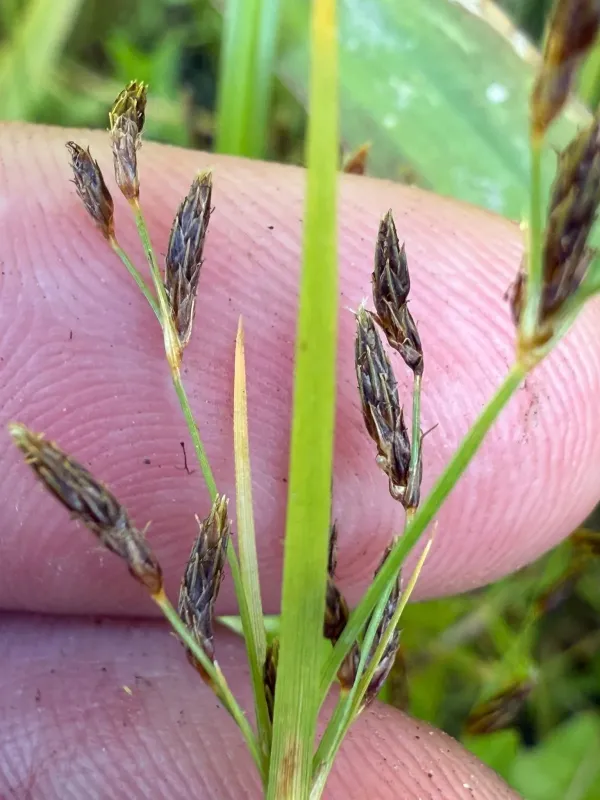
Description
Growing requirements
Fimbristylis autumnalis is an annual herbaceous plant belonging to the Cyperaceae family. It is widely recognized in ecological studies as a characteristic species of wetlands, often serving as an indicator of moist or saturated soil conditions in agricultural landscapes.
Native to North and South America, the species is found in diverse habitats including marshes, muddy shores, and damp fields. Its ability to adapt to varying hydrological regimes makes it a significant player in the management of wet agricultural soils and ecosystems.
Botanically, the plant is characterized by tufted, slender stems and linear, basal leaves. Its inflorescences are distinct terminal umbels that mature during the late summer and autumn, which provides the foundation for its specific common and scientific naming conventions.
The plant strictly requires high moisture levels for successful development. While it is tolerant to short-term fluctuations in water levels, sustained soil saturation or standing water is essential for its life cycle compared to other upland plant species.
Regarding soil preferences, it thrives in silty or sandy substrates that are rich in organic content. It typically favors slightly acidic to neutral soil environments, which are common in the riparian zones and artificial water retention areas where this plant is found.
Main diseases and pests
Common threats to Fimbristylis autumnalis include pathogenic fungi that exploit the high-humidity environment to infect the root structure. Poor water quality, particularly high nutrient loading, can facilitate the growth of harmful algae and microbes that suppress the plant's health.
Pests such as various insects and mollusks can cause significant damage to the stems and reproductive organs. Integrated pest management, focusing on hydrological control rather than chemicals, is generally the preferred approach for maintaining balance in such sensitive aquatic environments.