
Fimbristylis ferruginea
Fimbristylis ferruginea
Description
Growing requirements
Fimbristylis ferruginea, commonly known as rusty sedge, is a perennial herbaceous plant belonging to the Cyperaceae family. It is a highly specialized plant that thrives in wetlands, saline marshes, and coastal areas across tropical and subtropical regions worldwide.
The origin of this species is linked to diverse coastal ecosystems where it acts as a primary colonizer in disturbed or nutrient-poor, waterlogged soils. Its ability to tolerate salinity and extended periods of inundation distinguishes it from most conventional forage or industrial crops.
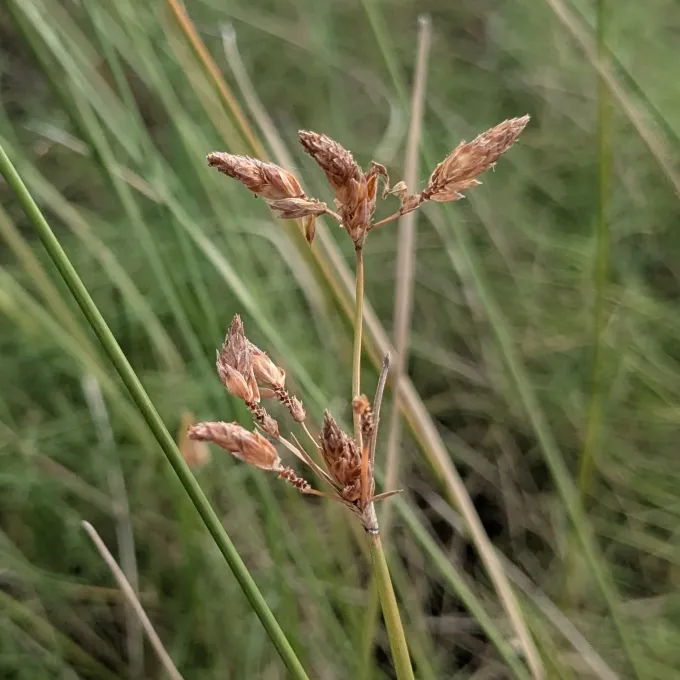
Botanically, the plant forms dense tufts with slender, rigid stems. Its most identifying characteristic is the deep rusty-brown color of the spikelets, which are arranged in complex umbels at the apex of the stems, making it easily distinguishable from other sedges.
Requirements for cultivation include high soil moisture levels and significant exposure to sunlight. While it adapts well to salty soils, it performs optimally in environments where water levels remain stable throughout the active growth season, preventing drought-induced senescence.
In terms of agricultural and environmental utility, Fimbristylis ferruginea is primarily utilized for phytoremediation of degraded lands and soil stabilization in flood-prone areas. Its deep root system helps prevent erosion, making it a valuable asset for maintaining the integrity of agricultural boundaries in marshy zones.
Main diseases and pests
The primary threats to Fimbristylis ferruginea involve rapid environmental changes, specifically land reclamation and drainage projects that remove its essential habitat. Once the moisture is removed, the plant loses its competitive advantage.
Disease outbreaks in this species are often secondary, caused by fungal pathogens that thrive in stagnant, poorly circulated water. These pathogens can cause leaf spots and stunted growth, particularly during high-temperature months with high humidity.
Insect pests include various aphids and leaf-sucking insects that target the developing stalks. While rarely lethal in natural populations, their presence in dense stands can facilitate the spread of systemic viral diseases.
Management of these threats is best achieved through preventive agricultural practices, such as maintaining appropriate plant spacing to ensure air circulation and monitoring water salinity levels to ensure they stay within the plant's tolerance range.
There is no widespread commercial pesticide application for this crop, emphasizing the importance of site selection and environmental control as the primary methods for ensuring a healthy and productive stand of this sedge species.