
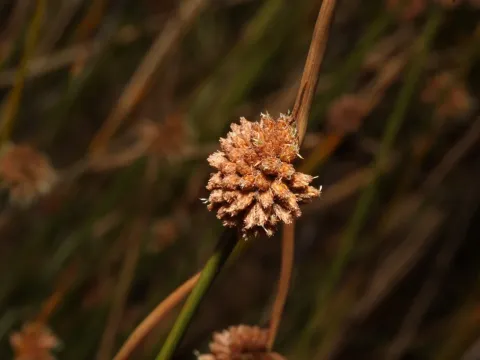
Ficinia
Ficinia Schrad.
Ficinia is a genus of perennial herbaceous plants belonging to the Cyperaceae family. Often referred to as grass-like plants, these species are native primarily to the southern regions of Africa, where they adapt to diverse environmental conditions.
What the section contains

Ficinia
The plant thrives in well-drained, sandy, or gravelly soils that are relatively low in organic matter. This reflects their natural habitat on nutrient-poor terrains, making them quite hardy in terms of soil tolerance, provided they receive sufficient sunlight.
Ficinia is generally a warmth-loving genus. In temperate zones, it is not considered winter-hardy and is typically cultivated as a container plant or used as an annual for seasonal decorative displays. It requires protection from frost and freezing temperatures.
Watering requirements for Ficinia involve a balanced approach. While they prefer consistent moisture, they cannot tolerate waterlogged conditions, which lead to rapid root decay. A well-aerated substrate is essential to maintain plant health throughout the growing season.
In terms of practical application, Ficinia is utilized almost exclusively for ornamental landscaping. Its stiff, narrow leaves and interesting floral structures make it a popular choice for rock gardens, coastal landscapes, and modern xeriscaping projects.
The most significant threats to Ficinia are fungal pathogens that proliferate under high-humidity conditions. Root rot is a common issue when soil drainage is poor or when the plant is overwatered, particularly during lower-temperature months.
While pests are generally uncommon, indoor cultivation or greenhouse environments may attract spider mites and mealybugs. Maintaining good air circulation is a simple and effective strategy to mitigate the risk of both pest infestations and fungal attacks.
To protect the plant, it is recommended to use coarse mulch, such as horticultural sand, around the base of the plant. This practice prevents the leaves from coming into direct contact with wet soil and reduces the risk of humidity-related rot.
Fungicide treatments should be considered a last resort and applied only upon clear diagnosis of specific spots or decay. Prevention through proper soil moisture management is far more effective than chemical intervention for this species.
In its native habitat, competition from more aggressive grassy weeds can suppress the development of young Ficinia plants. In a controlled environment, consistent weeding is necessary to ensure the plant establishes a healthy root system during the initial growth phases.