
Nodding Fimbristylis
Fimbristylis nutans
Description
Growing requirements
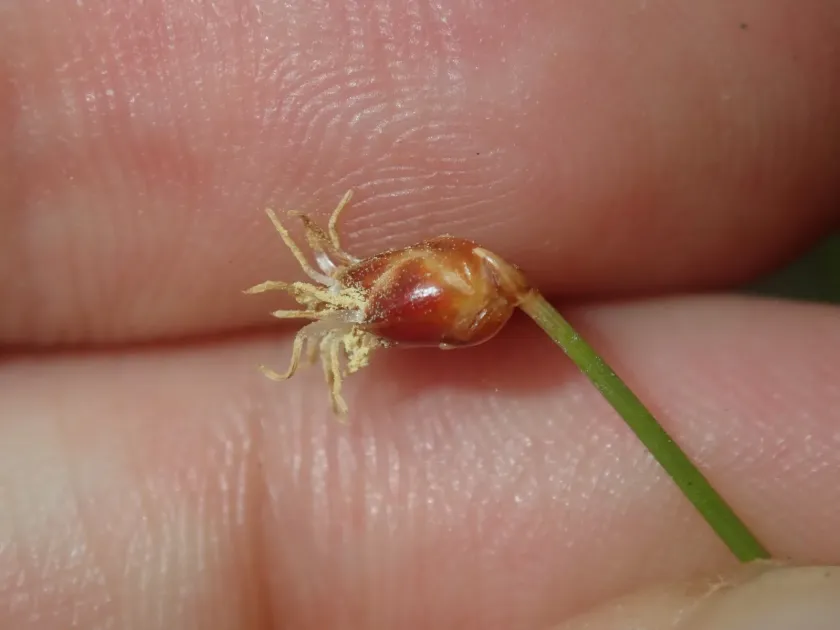
Nodding Fimbristylis (Fimbristylis nutans) is a perennial herbaceous plant belonging to the Sedge family (Cyperaceae). It is distinguished by its unique inflorescence, which droops gracefully, giving the plant its common name.
The species is native to tropical and subtropical regions, particularly across Asia and Australia. It is well-adapted to humid climates and is frequently found in wetland ecosystems where water levels fluctuate significantly throughout the year.
This crop requires consistently moist soil conditions to thrive. It is highly tolerant of waterlogged soils, making it an excellent candidate for regions where drainage is poor and soil saturation is a constant environmental factor.
Regarding soil preferences, it favors nutrient-rich organic soils or heavy clays often found in marshy areas. It performs well in acidic to neutral pH ranges, typical of wetlands where decomposition processes are active.
Successful cultivation requires careful management of the hydrological regime. Ensuring adequate space between plantings allows for proper air circulation, which prevents the development of stagnant conditions that could be detrimental to the plant's health.
Main diseases and pests
Typical threats include fungal pathogens that thrive in warm, stagnant water. Root rot is the most common issue observed when water management is neglected, leading to rapid plant decline.
Insect pests such as leaf miners or certain larvae can damage the foliage, while in some aquatic settings, invasive weeds may outcompete the crop if not managed during the early stages of growth.