
Ficinia
Ficinia
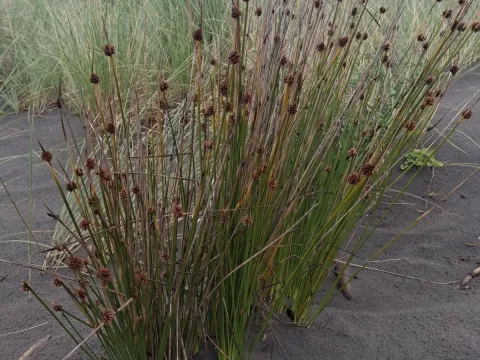
Ficinia is a genus of perennial herbaceous plants belonging to the Cyperaceae family. Originating primarily from Southern Africa, these plants are known for their resilience and decorative dense tufts. They occupy a distinct position in the family due to their specific adaptation to diverse South African habitats.
What the section contains


Ficinia
When cultivating Ficinia, light exposure is a critical factor for success. The plants thrive in full sun, which promotes robust growth and compact habit. While they can tolerate partial shade, insufficient light often results in elongated, weaker stems and reduced aesthetic appeal.
The soil requirements are relatively specific: the plant demands excellent drainage. Loamy, sandy soils are ideal for mimicking their natural habitat. If the soil is too heavy, amending it with coarse sand or perlite is necessary to prevent water stagnation, which is the primary cause of root issues.
Regarding climatic conditions, Ficinia prefers moderate, temperate environments. It is not cold-hardy, meaning it requires protection or shelter in regions with heavy frosts. Maintaining a consistent moisture level is key, especially during the active growing season, though the soil should dry out slightly between waterings.
In terms of agricultural and horticultural use, Ficinia serves mainly as an ornamental groundcover or an architectural element in xeriscaping. It is highly valued for its ability to stabilize loose soil due to its fibrous root system, making it suitable for erosion control in dry coastal gardens or rockeries.
The most common health issues for Ficinia are related to fungal pathogens triggered by poor air circulation or overwatering. Root rot is the most significant threat, often irreversible once it spreads through the dense clump of the plant.
Insect pests include sap-sucking insects like spider mites, especially in low-humidity environments. Integrated pest management, focusing on proper spacing and moderate watering, remains the most effective strategy to keep the plants healthy without intensive chemical interventions.