
Fimbristylis argentea
Fimbristylis argentea
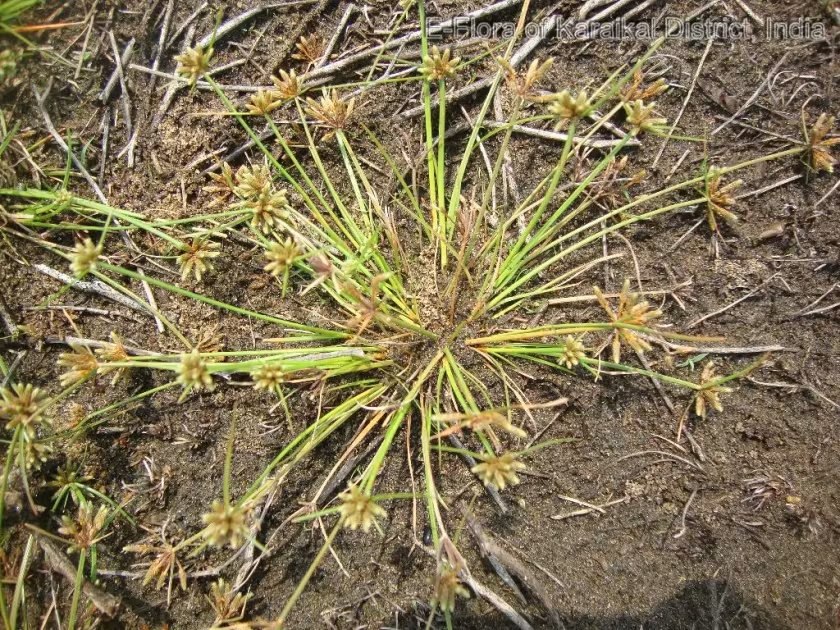
Description
Sowing dates
Fimbristylis argentea is a distinctive member of the Cyperaceae family, often found in specialized agricultural and natural wetland environments.
Sowing should be scheduled for the spring season once soil temperatures are consistently above the threshold required for germination.
Seeds should be distributed evenly across the soil surface and covered with a thin layer of fine soil to ensure adequate moisture retention.
Row spacing should be maintained to facilitate mechanical weeding if necessary, ensuring that plants have enough space to develop their root systems.
Successful establishment relies on consistent soil moisture during the first few weeks after sowing to support the young seedlings.
Growing requirements
The plant thrives in moist environments, making it an excellent candidate for cultivation in areas with high water tables or controlled irrigation.
Adequate sunlight is essential for the healthy development of this species, as it promotes vigorous growth and proper maturation.
Soil quality should be maintained with organic amendments to provide necessary nutrients for the sustained growth of the crop.
Fimbristylis argentea is known for its resilience to temporary waterlogging, which distinguishes it from many terrestrial crop varieties.
Regular monitoring of nutrient levels in the soil is recommended to optimize the vegetative development of the plant during its peak growing cycle.
Main diseases and pests
Fungal pathogens represent the primary threat to the crop, particularly when moisture levels remain high for extended periods without air movement.
Insect pests such as larvae and various sucking insects may target the tender leaves, requiring integrated pest management strategies.
Leaf discoloration or stunted growth patterns may indicate nutrient deficiencies or the presence of root-rot pathogens in the soil.
Keeping the area clear of aggressive weeds is crucial, as they compete for limited space and nutrients in the early developmental stages.
Integrated practices involving proper rotation and site sanitation are effective ways to manage the pressure from common field diseases.