
Fimbristylis tetragona
Fimbristylis tetragona
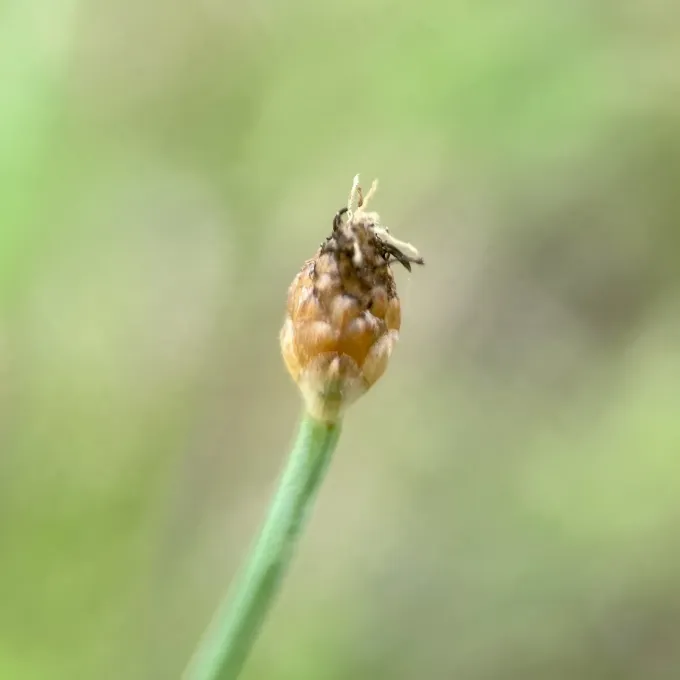
Description
Sowing dates
Fimbristylis tetragona is a perennial herbaceous plant belonging to the Cyperaceae family. It is primarily found in wetland ecosystems and adapted to tropical and subtropical climates.
The reproduction cycle starts with seed germination in moist, muddy substrates. Natural dispersal occurs via water currents, which transport seeds to new silted areas during the wet season.
In agricultural settings, sowing is performed by spreading seeds on prepared, shallow-flooded beds that mimic natural habitats.
Success in sowing depends on maintaining precise moisture levels, as seeds require consistent hydration and light exposure to initiate the developmental process.
The plant demonstrates high vigor once established, utilizing its root network to stabilize itself in soft, waterlogged soils characteristic of paddy environments.
Growing requirements
Cultivation requires specific environmental conditions, primarily permanent water saturation. The optimal water depth ranges from 10 to 30 centimeters to ensure healthy growth.
The plant thrives in nutrient-rich, silty, or clay-based soils. These soil types help in maintaining the structural integrity of the plant and supporting its nutrient absorption.
As a highly heliophilic species, Fimbristylis tetragona requires intense, direct sunlight. Shading from neighboring vegetation significantly reduces biomass accumulation and plant vigor.
The ideal temperature for active growth ranges between +25 and +35 degrees Celsius. Extreme cold or temperature drops below +15 degrees can trigger dormancy or inhibit growth.
Maintaining a neutral to slightly acidic pH in the water and soil is essential to prevent mineral deficiencies and ensure the plant's metabolic efficiency.
Yield
Yield estimation is primarily based on the dry matter production of the plant. In managed systems, it can provide significant biomass for various rural applications.
Optimizing the density of the stand during the initial planting phase allows farmers to maximize land use efficiency and achieve higher output per hectare.
The application of controlled nitrogen fertilization can boost vegetative development, significantly increasing the harvestable volume of the forage crop.
Yield stability is heavily dependent on irrigation management. Consistent water levels prevent plant stress and ensure steady growth throughout the season.
Effective biomass management requires monitoring the harvest cycles to ensure that the plant continues to regenerate successfully after each cut.
Main diseases and pests
Fungal infections remain the primary threat, especially in stagnant water conditions where pathogens can thrive and damage the stem base.
Insect pests, including various stem borers and larvae, can severely impact the quality of the harvest by damaging the vascular tissues of the plant.
Weed competition is a significant concern during the early growth stages, often requiring manual intervention to clear the area for the sedge.
Environmental stressors such as sudden changes in water quality or salinity levels can lead to poor plant health and increased susceptibility to secondary infections.
- Leaf spot fungal diseases.
- Stem rot due to anaerobic conditions.
- Infestation by phytophagous larvae.
Harvesting
Harvesting is typically performed manually using traditional tools to ensure the careful handling of the plants in waterlogged environments.
The best time to harvest for quality biomass is during the early flowering phase, as the stalks maintain optimal nutritional value and flexibility.
Proper drying techniques are critical post-harvest. The material must be dried in shaded, ventilated areas to maintain quality and prevent microbial growth.
When collecting seeds for future propagation, harvesting must be timed precisely to match the peak maturity of the seed heads.
The labor-intensive nature of the harvest requires careful logistics to navigate wetlands, emphasizing the need for efficient collection methods in agricultural practice.