
Summer fimbry
Fimbristylis aestivalis
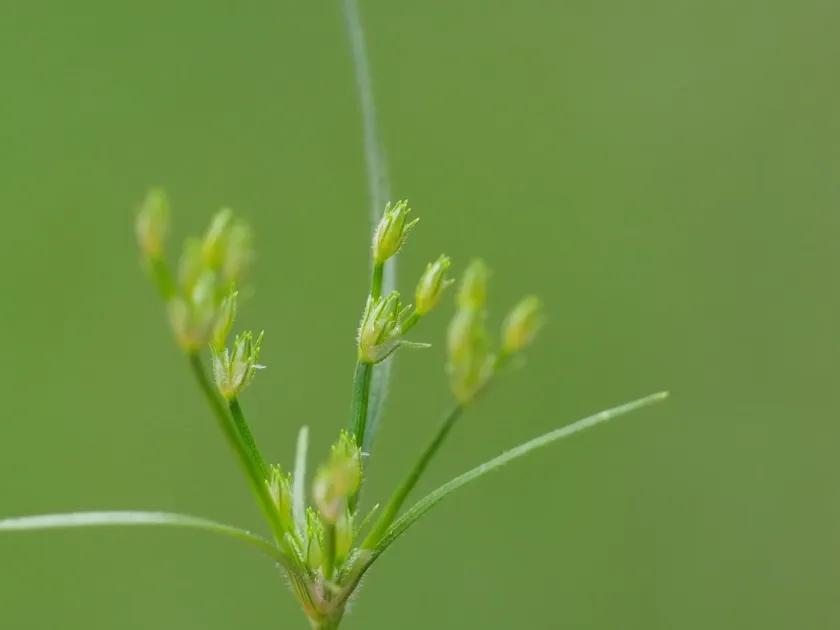
Description
Growing requirements
Summer fimbry (Fimbristylis aestivalis) is an annual plant belonging to the Cyperaceae family. It is recognized in agricultural studies for its significant adaptation to wetland environments, particularly in regions with high seasonal precipitation.
The plant originates from warm temperate and tropical regions. It is commonly found in areas such as rice paddies, marshes, and damp meadows, where it thrives in hydric soils that remain saturated for long periods during the growing season.
Summer fimbry requires high solar radiation levels to ensure optimal biomass production. While the species is highly tolerant to inundation, it does not thrive under heavy shade, making open field management essential for successful harvest results.
Regarding soil preference, the plant thrives in sandy or silty substrates with a slightly acidic pH level. These soils facilitate the rapid uptake of nutrients through the fibrous root system, which is a signature characteristic of this sedge species.
Agricultural management of Summer fimbry focuses on maintaining water levels that support vegetative growth. The species is known for its prolific seed production, which ensures its persistence in managed agricultural ecosystems over multiple seasons.
Main diseases and pests
Common threats to Summer fimbry include fungal infections such as leaf blight and rust, which often occur when stagnant water conditions persist combined with high humidity. These pathogens can severely damage the plant's photosynthetic tissue.
Insect pests, particularly stem borers and leaf miners, represent a major risk during the peak growth phase. These organisms can weaken the stems, leading to lodging and a significant reduction in the quality of the harvested material.
Integrated pest management is recommended to maintain healthy stands. This includes crop rotation techniques and the use of resistant varieties, although selective chemical applications may be necessary in extreme infestation cases.
Biological control methods are increasingly being explored to manage pests without damaging the sensitive wetland ecosystem where the crop is grown. This approach helps in preserving beneficial microfauna within the soil.
Regular field inspections are crucial to identify early symptoms of nutrient deficiency or pathogen stress. Providing timely intervention ensures that the plant retains its vigor and productivity throughout the intensive summer cycle.