
Fimbristylis tristachya
Fimbristylis tristachya
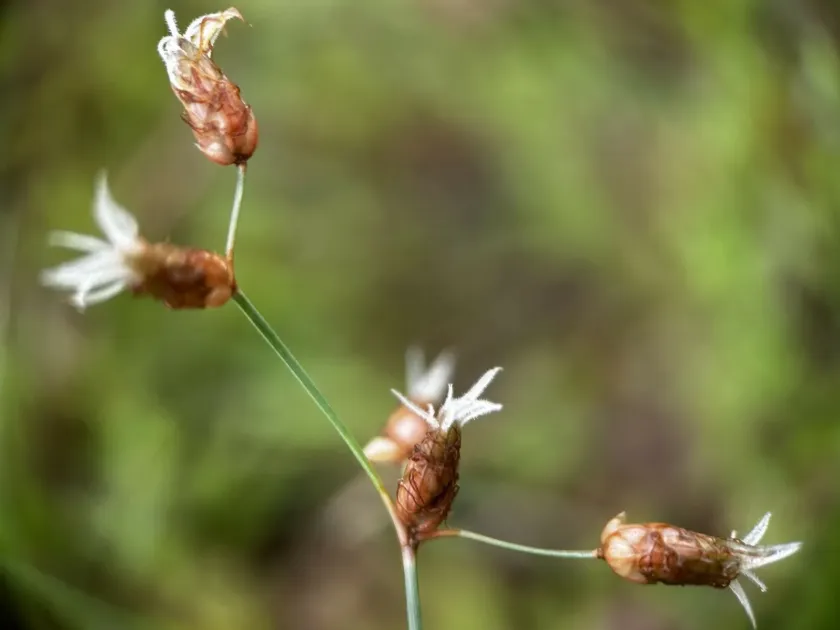
Description
Growing requirements
Fimbristylis tristachya is a perennial herbaceous plant belonging to the Cyperaceae family. It is recognized for its adaptability to wetland environments, making it a subject of interest in agricultural studies focused on high-moisture agricultural land management.
Botanically, the species is defined by its triangular stem structure and distinct clusters of spikelets. It is native to tropical and subtropical zones where it naturally occupies niches in swamps, marshes, and periodically flooded fields, demonstrating a high tolerance for waterlogged soil conditions.
Regarding environmental requirements, the plant thrives in conditions with consistently high humidity and warm temperatures. Unlike standard upland crops, it does not require deep soil aeration, instead preferring saturated substrates that provide ample mineral content for its robust growth cycle.
Cultural management of this plant involves monitoring the water table during the early stages of establishment. Adequate sunlight is essential for photosynthesis; insufficient light levels inhibit the plant's ability to produce necessary biomass, limiting its overall yield potential.
The primary agricultural utility of Fimbristylis tristachya lies in its biomass production for forage in specific flooded ecosystems. Furthermore, its ability to stabilize soil and contribute to the management of wet, unusable lands makes it a valuable species for ecological restoration and soil conservation projects.