
Sea wormwood
Artemisia crithmifolia
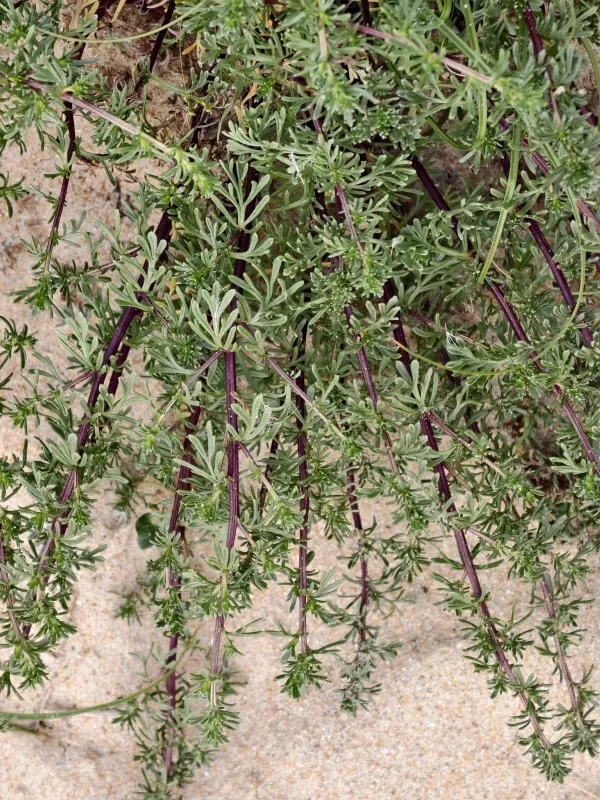
Description
Sowing dates
Sea wormwood is a perennial plant that is propagated primarily via seeds or division of mature bushes. Sowing is typically carried out in early spring as soon as the soil reaches a temperature of 10-12 degrees Celsius, which is optimal for rapid seed germination.
The seeds should be sown in rows with a spacing of 50-60 centimeters. This density ensures proper aeration and provides sufficient space for the root system to spread, which is essential for the plant's long-term sustainability and vigor in field conditions.
Shallow sowing is critical because the seeds are extremely small. A depth of no more than 1 centimeter is recommended, often combined with a light roll after sowing to ensure good soil-to-seed contact without burying the seeds too deep.
If utilizing greenhouse propagation, sowing begins in late winter. This ensures that the seedlings are sufficiently hardened and ready for transplantation as soon as the danger of severe frost passes, maximizing the growing season length.
Consistent moisture management during the first month post-sowing is the most critical factor for success. While the mature plant is drought-tolerant, seedlings require steady hydration to establish their primary root system effectively.
Growing requirements
Belonging to the Asteraceae family, Sea wormwood is a well-known halophyte. It thrives in soils with higher salinity levels and sandy textures, making it an ideal candidate for reclaiming land in coastal agricultural zones where other crops struggle.
The plant requires full sun exposure to maintain its high concentration of essential oils and secondary metabolites. In shade, the plant tends to become leggy and loses its characteristic aromatic intensity, significantly reducing its economic and medicinal value.
Soil drainage is a primary requirement. Although it handles saline environments well, waterlogging is detrimental to its roots. Therefore, sites with high permeability or slight natural slopes are preferred to prevent the accumulation of stagnant water.
Sea wormwood is highly adaptable to alkaline and neutral soil pH. It requires minimal fertilization, as it is evolved for nutrient-poor environments. Over-fertilization, especially with nitrogen, can negatively impact its secondary compound profile.
Wind tolerance is one of the distinct biological features of this plant. Its foliage structure is adapted to withstand constant maritime breezes, which prevents mechanical damage to the delicate branches during intense weather events.
Main diseases and pests
Fungal pathogens associated with excessive soil moisture are the most significant threats to Sea wormwood health. Root rot is particularly destructive and can lead to rapid collapse of established plantings if drainage systems are neglected.
Aphids and mites represent the primary pest complex affecting this crop. They target the soft, growing tips, causing leaf deformation and reducing biomass production. Regular scouting and integrated pest management are necessary to maintain high yields.
Powdery mildew is a common foliage disease, especially during late summer when diurnal temperature fluctuations are high. Maintaining proper plant spacing is the most effective cultural practice for reducing the incidence of this fungal disease.
Grey mold (Botrytis) may affect the plants if persistent rain occurs during the flowering period. Preventive measures include keeping the planting area free of dead debris and ensuring that air circulation around the base of the bushes remains adequate.
Root damage by larvae is rare but can be a concern on reclaimed coastal soils. Crop rotation practices, even on a long-term basis, serve as the primary defensive strategy against soil-borne pests and long-term infestation cycles.