
Fimbristylis complanata
Fimbristylis complanata
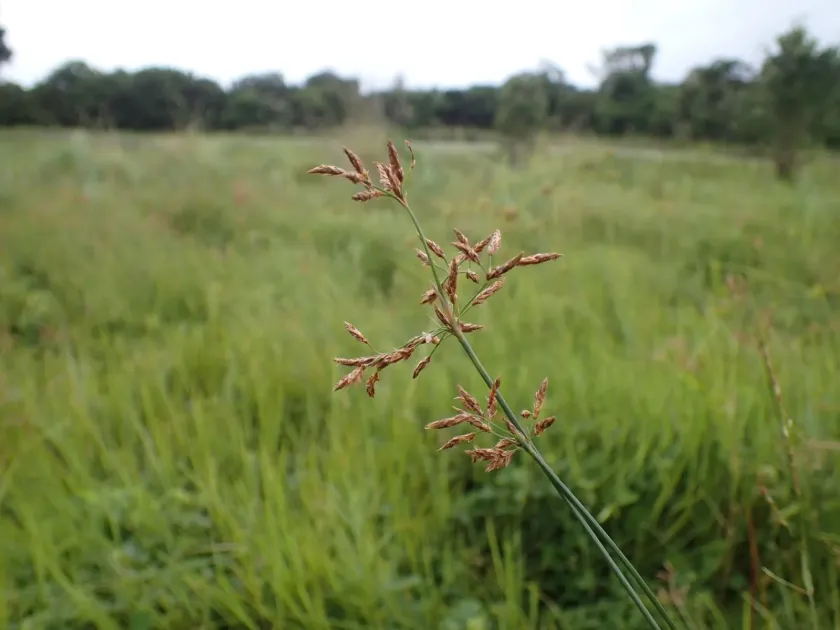
Description
Growing requirements
Fimbristylis complanata is a perennial herbaceous plant belonging to the Cyperaceae family. It is widely recognized for its preference for wetland habitats, including marshes, riverbanks, and irrigated agricultural lands like rice paddies.
The plant is botanically characterized by its flattened stems and a tufted growth habit, which allows it to thrive in dense clusters. This structure is an adaptation to water-saturated environments where the plant can effectively capture light.
Environmental requirements for this species are strict regarding water availability. It demands consistently moist to wet soil conditions and thrives best in tropical or subtropical climates with ample sunlight.
Regarding soil composition, Fimbristylis complanata prefers silty or clayey textures that provide a stable medium for its complex root system. It is tolerant of various pH levels, provided the moisture levels remain constant.
From an agricultural standpoint, managing this plant involves balancing its potential use as forage or handicraft material against its frequent role as a competing weed in industrial crops like rice.
Main diseases and pests
Major threats to the stability of Fimbristylis complanata populations include drainage projects and climate-driven droughts. Loss of wetland habitats directly correlates with a decrease in the prevalence of this species.
The plant is susceptible to fungal pathogens such as rust and leaf blight, which are common in high-humidity areas where air circulation is poor, creating an ideal environment for spore germination.
Pests, particularly various species of stem-borers and aphids, pose a significant risk to the plant's health by weakening the structural integrity of the culms and stems.
Agricultural control, when the plant acts as a weed, often involves mechanical weeding or the application of specific pre-emergent herbicides designed to target sedge species without damaging main crops.
Maintaining biological diversity and ensuring proper soil aeration in non-aquatic farming systems are the best strategies to prevent the overgrowth of this species where it is not desired.