
Fimbristylis ovata
Fimbristylis ovata
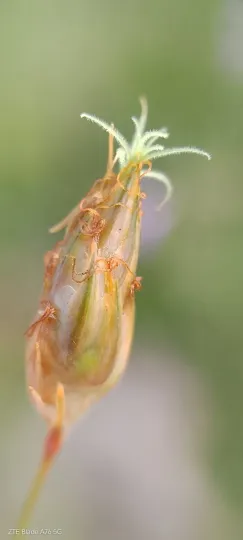
Description
Growing requirements
Fimbristylis ovata is a perennial herbaceous plant belonging to the Cyperaceae family. It is predominantly found in tropical and subtropical regions, naturally occurring in habitats such as wetlands, marshes, and the margins of water bodies.
The plant thrives in moist environments and demonstrates a preference for soils that maintain high moisture levels throughout the growing season. It performs best in acidic to neutral substrates that are rich in organic matter, reflecting its adaptation to wetland ecosystems.
Botanically, it is characterized by its tufted growth habit, featuring slender stems and distinctive ovate spikelets. This structure provides structural integrity in soft, muddy terrains, allowing the plant to colonize areas prone to seasonal flooding.
Agrotechnically, the species requires warm temperatures and ample sunlight to achieve maximum growth. It is intolerant of prolonged drought, and successful cultivation relies on maintaining high humidity and moisture levels in the root zone.
In terms of agricultural use, Fimbristylis ovata is primarily managed as a component of riparian buffer zones or wetland restoration projects. While not a primary cereal crop, its ability to stabilize soil and contribute to the biomass of damp pastures makes it a significant species in specific ecological management contexts.