
Fimbristylis stauntonii
Fimbristylis stauntonii
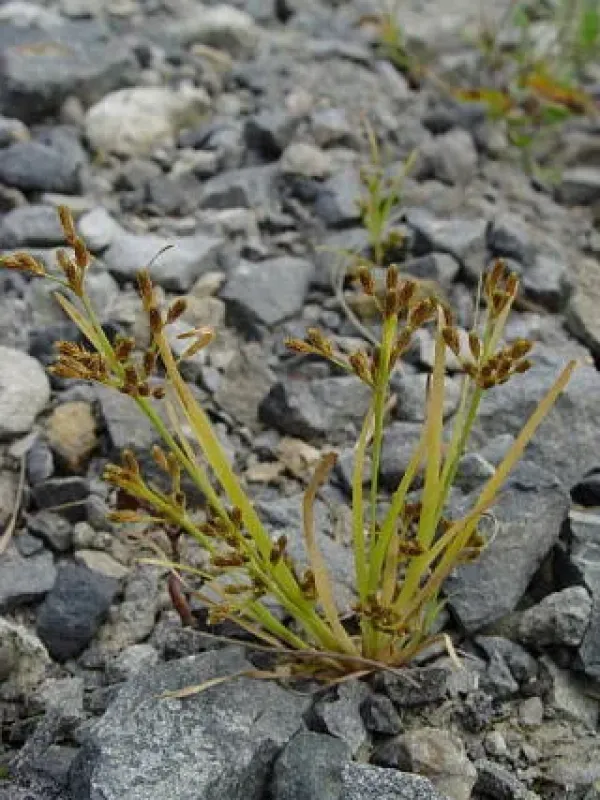
Description
Growing requirements
Fimbristylis stauntonii is a perennial herbaceous plant belonging to the Cyperaceae family. It is native to the temperate regions of East Asia, where it typically thrives in marshy or wet ground habitats.
The plant is characterized by its narrow, grass-like leaves and distinct spikelet inflorescences. Its robust root system allows it to stabilize soil, making it a functional plant in environments prone to water saturation.
Cultivation requires specific conditions including high soil moisture and exposure to sunlight. It performs best in nutrient-rich, silty or loamy soils that can retain water throughout the growing season without stagnation.
The climate requirements involve sufficient rainfall and moderate temperatures. The species shows adaptation to monsoon-influenced environments, reflecting its natural range and ability to handle seasonal environmental fluctuations.
In terms of agricultural utility, Fimbristylis stauntonii is valued for land reclamation and soil erosion control. Additionally, its biomass can serve as a supplementary forage resource in specific regional farming systems.
Main diseases and pests
The primary threats to this culture are fungal infections, particularly those triggered by poor ventilation and excessive moisture. Managing plant density and ensuring airflow are critical steps in maintaining the health of the stand.
Pests such as aphids and subterranean larvae can cause significant damage to the plant tissue. Implementing a strict monitoring program is essential to catch infestations early and prevent extensive crop failure.
Preventive measures include the selection of healthy seeds and the implementation of crop rotation strategies to disrupt the life cycles of pathogens. Soil hygiene should be maintained throughout the growing cycle.
The use of chemical agents for pest and disease control should be strictly regulated to preserve the ecological balance. Integrated pest management (IPM) is highly recommended for maintaining sustainable stands.
Regular visual inspections by agronomists help in early detection of physiological stress. Maintaining soil fertility balance is also important to improve the overall resistance of the plants to biological threats.