
Fimbristylis sericea
Fimbristylis sericea
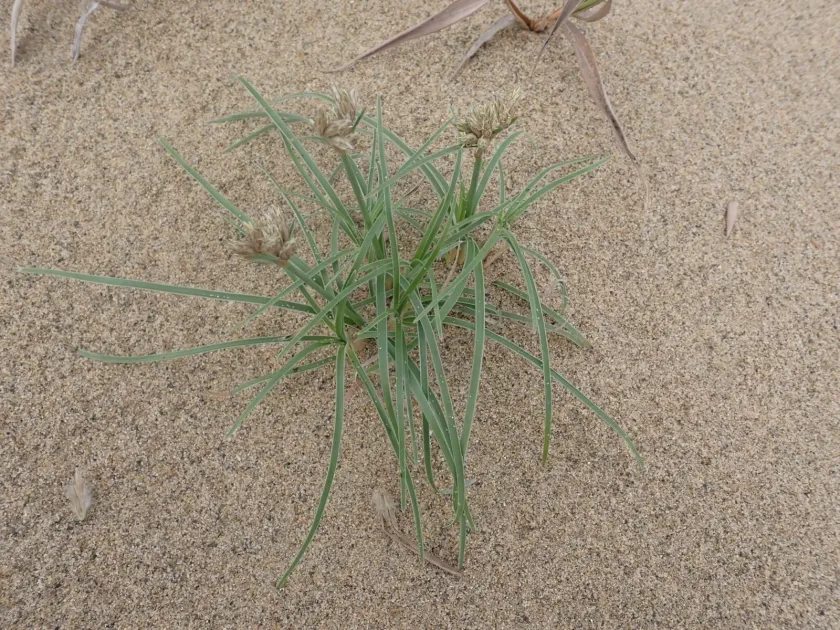
Description
Growing requirements
Fimbristylis sericea, commonly known as a member of the Cyperaceae family, is a perennial herb native to the coastal sand dunes of East Asia. Its morphological structure is perfectly adapted to survive in harsh, saline, and windy marine environments.
Botanically, it is characterized by its tufted growth habit and distinct silky pubescence on its leaves, which provides effective protection against desiccation. These features classify it as a xerophytic-tolerant species.
To cultivate this species successfully, it is essential to provide full sun exposure. It thrives best in sandy, well-drained soils where organic content is minimal, as excessive fertilization can lead to a loss of its natural compact form.
The plant is highly valued in landscape architecture for soil stabilization and coastal restoration projects. Its ability to withstand salt spray makes it an ideal candidate for seaside gardens and xeriscaping.
Cultivation requires minimal care once the plants are established. It is important to ensure the root system is never submerged in standing water, as the plant prefers periods of dryness over constant moisture.
Main diseases and pests
The primary threat to Fimbristylis sericea is the lack of proper drainage in the soil. Prolonged wet conditions facilitate the onset of root rot, which is often fatal to the plant.
Pests are generally not a significant issue due to the plant's tough, fibrous foliage. However, indoor or sheltered cultivation might occasionally attract spider mites or aphids.
Competition from fast-growing invasive weeds is a major concern during the establishment phase. Keeping the surrounding area clear is critical to allowing the plant to develop a strong root system.
Monitoring for signs of fungal pathogens is recommended if the plants are placed in areas with poor airflow. Improving ventilation and reducing humidity are effective preventative measures.
Proper hygiene, such as removing debris and dead foliage, helps maintain plant health and reduces the habitat for potential pests and opportunistic pathogens.