
Sempervivum macedonicum
Sempervivum macedonicum
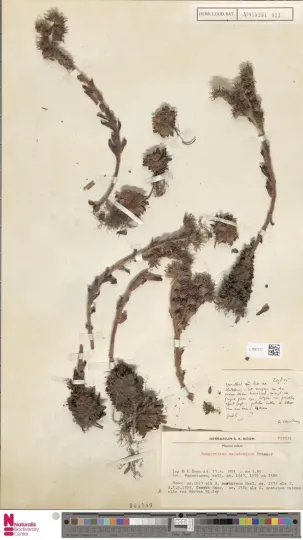
Description
Growing requirements
Sempervivum macedonicum is a perennial succulent belonging to the Crassulaceae family. It is native to the Balkan Peninsula, naturally thriving in rocky terrains and mountain crevices where soil is sparse and drainage is excellent.
The plant is characterized by its rosette-forming habit, featuring fleshy leaves that store moisture effectively. This adaptation allows the species to survive in harsh, arid environments with very little water throughout the year.
For successful cultivation, this plant requires well-drained, gritty soil. It is highly intolerant of waterlogged conditions, which can lead to root rot. When planting, incorporate sand, fine gravel, or pumice into the soil to ensure proper aeration.
Full sun exposure is crucial for maintaining the plant's structural integrity and intense color. When grown in shaded areas, the rosettes tend to stretch and lose their signature tight, compact appearance, becoming more vulnerable to disease.
This species is exceptionally cold-hardy, capable of withstanding freezing temperatures without supplemental protection. Its low-maintenance nature makes it a popular choice for xeriscaping, green roofs, and traditional rock garden designs.
Main diseases and pests
The most significant threat to Sempervivum macedonicum is root rot caused by poor soil drainage. If the substrate remains too moist for extended periods, the central part of the rosette will rapidly decay.
While relatively pest-resistant, the plants can occasionally be infested by aphids or mealybugs. Regular inspections are recommended, especially during the spring growth phase, to catch infestations early before they spread.
White grubs and other soil-borne larvae may occasionally damage the root system. If you notice a plant becoming loose in the soil or looking stunted, inspect the root zone for signs of pest damage or larval presence.
Gastropods such as slugs and snails may graze on the succulent leaves during humid weather. Protective barriers such as crushed shells or diatomaceous earth can effectively deter these pests from reaching the rosettes.
To keep the plants healthy, avoid heavy fertilization. Excessive nitrogen causes weak, overly succulent growth that is more attractive to insects and more susceptible to fungal pathogens during the winter months.