
Fimbristylis falcata
Fimbristylis falcata
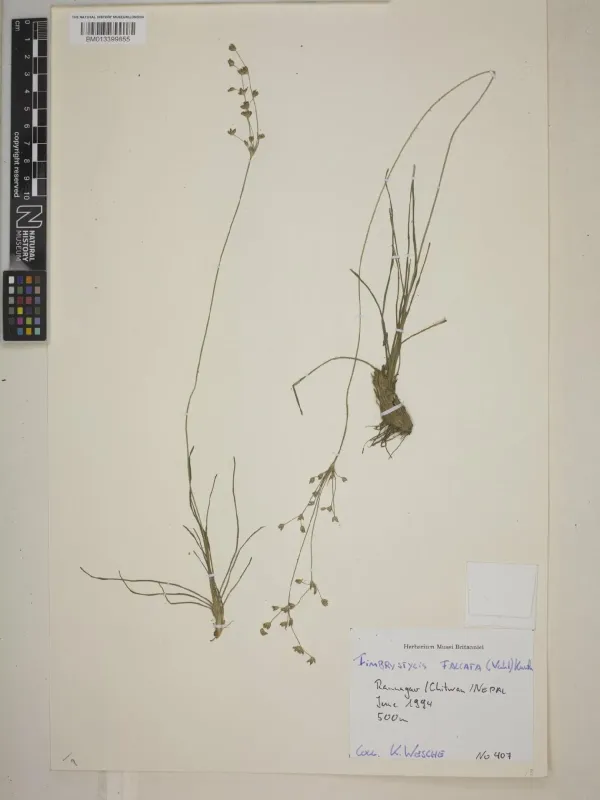
Description
Growing requirements
Fimbristylis falcata is a perennial herbaceous plant belonging to the Cyperaceae family. It is widely recognized for its preference for wetland habitats, salt marshes, and areas with high water tables, where other less resilient crops might fail to establish.
Botanically, the plant features distinct sickle-shaped leaves and stems that provide it with physical resistance against environmental stressors. Its root system is exceptionally efficient at binding soil particles, which makes it a valuable candidate for projects focused on environmental restoration and land conservation.
Regarding climate requirements, this species thrives in tropical and subtropical zones. It demands high thermal accumulation and consistent levels of humidity to maintain its metabolic activities. While it can handle periodic flooding, it is sensitive to prolonged drought periods.
The agricultural usage of Fimbristylis falcata is primarily centered on soil stabilization and bio-engineering. In some agricultural systems, it is harvested as a supplementary source of organic matter, providing a nutrient-rich mulch after composting processes are applied to the gathered biomass.
Cultivation practices involve maintaining a moist, stable substrate. Nitrogen application should be balanced, as excessive fertilizers can promote succulent growth that is overly attractive to pests. Proper site selection, characterized by silt-rich soils, remains the most critical factor for successful establishment.
Main diseases and pests
The primary threats to Fimbristylis falcata involve fungal infections triggered by excessive moisture and poor water drainage. Root rot is a common symptom of neglected hydrological management, often resulting in systemic decline.
Pest activity, particularly from stem-boring insects, can severely impact the structural integrity of the plant. These pests create micro-injuries that facilitate secondary bacterial infections within the plant tissues.
Control strategies emphasize preventative measures, such as monitoring water tables and maintaining optimal plant spacing to allow airflow. Integrated pest management, focusing on biological controls rather than synthetic pesticides, is generally preferred for this species.