
Fimbristylis spadicea
Fimbristylis spadicea
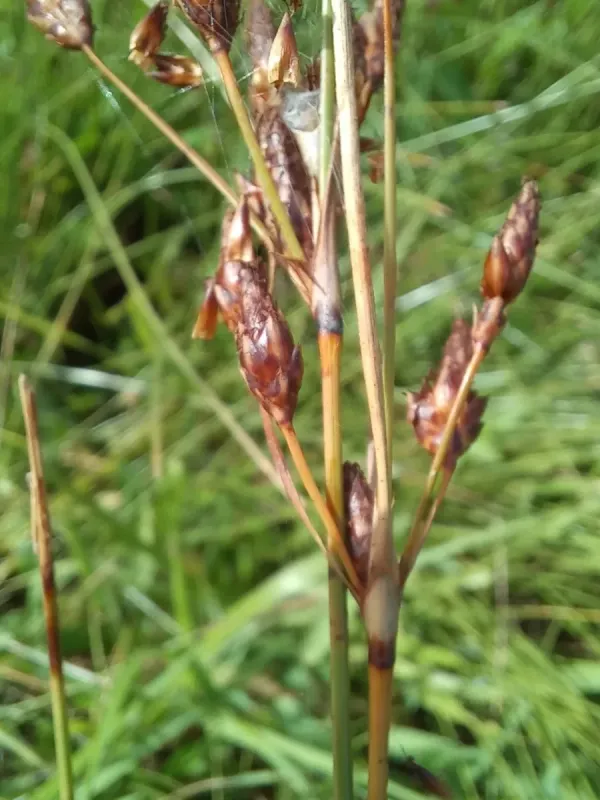
Description
Growing requirements
Fimbristylis spadicea is a perennial herb belonging to the Cyperaceae family. It is predominantly found in tropical and subtropical regions, specifically thriving in salt marshes, coastal areas, and wetland environments.
The plant grows in dense tufts, possessing stiff, linear leaves and distinct reproductive stems. Its root system is exceptionally robust, designed to anchor the plant firmly in waterlogged or muddy substrates while tolerating salinity levels that would be toxic to many other agricultural crops.
In terms of soil requirements, it prefers moist, saline, or brackish conditions. It can serve as a pioneer species in rehabilitating degraded wetland habitats, provided the nutrient level is sufficient for primary growth.
Sunlight is a critical factor for the vigor of this species. It requires full solar exposure to produce high biomass yields. Shaded conditions often result in poor growth, structural weakness of the stems, and reduced resistance to pests.
Regarding climate, this species is strictly heat-dependent. It lacks frost tolerance and thrives in climates where temperature fluctuations are minimal, ensuring continuous growth throughout the year in optimal tropical environments.
Harvesting
The primary utility of Fimbristylis spadicea lies in its fibrous stems, which are harvested for weaving handicrafts, making mats, and producing natural fiber ropes. The fiber quality is highly valued for its durability and resistance to rot in humid environments.
Harvesting is typically performed once the stems have reached their peak structural maturity. Manual harvesting remains the most common method, allowing for selective cutting of the most mature stalks while leaving younger shoots to develop.
The plant also offers significant environmental benefits. By stabilizing the soil with its dense root system, it acts as a bio-barrier against coastal erosion and assists in phytoremediation by absorbing excess salts from the soil environment.
Post-harvest processing involves bundling and drying. Ensuring proper ventilation during the drying process is essential to prevent internal fungal growth, which can degrade the quality of the fibers within a short period.
Sustainable management involves rotational harvesting to maintain the health of the rhizome system. This practice ensures long-term productivity and maintains the ecological function of the wetland or field where the culture is maintained.