
Fimbristylis cymosa
Fimbristylis cymosa
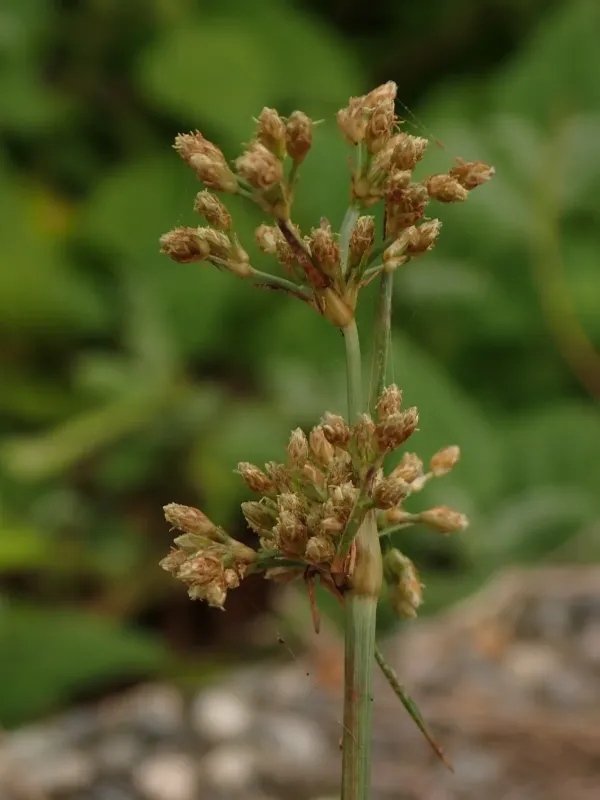
Description
Growing requirements
Fimbristylis cymosa, commonly known as a type of sedge, belongs to the family Cyperaceae. It is a perennial grass-like plant native to tropical and subtropical coastal regions across the Indo-Pacific, including Australia and various Pacific islands, where it thrives in extreme environmental conditions.
The plant grows in dense clumps or tussocks, characterized by stiff, narrow leaves. Its morphology is perfectly adapted to withstand harsh marine environments, including high wind speeds, intense solar radiation, and direct exposure to salty sea spray, which would be detrimental to most other species.
Cultivation requirements for Fimbristylis cymosa are quite specific: it demands well-drained, sandy soils. It is highly intolerant of waterlogged conditions, preferring substrate that allows oxygen to reach the root zone. Full sunlight is essential for the plant to maintain its structure and vigor.
Botanically, it features a robust, fibrous root system. This allows the plant to act as a significant soil stabilizer, making it highly valued in environmental restoration projects aimed at preventing beach erosion and stabilizing sandy dunes near the coastline.
In terms of agricultural and horticultural use, it is a low-maintenance species. It does not require fertilizers in natural conditions and has evolved to extract necessary nutrients from impoverished coastal substrates, making it an excellent candidate for sustainable, low-input landscaping.
Main diseases and pests
Fimbristylis cymosa is generally considered highly resistant to common agricultural pests and diseases due to its specialized habitat and tough leaf structure. However, in enclosed environments or improper nursery conditions, it may face issues.
Root rot caused by fungal pathogens remains the primary threat, usually triggered by poor drainage or excessive irrigation. Ensuring a substrate that dries out effectively between waterings is the best preventive measure against these pathogens.
Occasionally, sucking insects like aphids or spider mites can infest the foliage, especially if the plant is grown in a greenhouse setting. Regular monitoring and integrated pest management practices are sufficient to mitigate these minor risks.
Competition from aggressive weeds can stunt the growth of young Fimbristylis populations. During the establishment phase, manual weeding is recommended until the sedge clumps develop enough density to shade out competitors naturally.
The plant is resilient to salinity, but extreme chemical pollution or prolonged exposure to high-nutrient runoff can negatively impact its growth. Keeping the environment consistent with its natural coastal ecology ensures the longevity and health of the plant.
Harvesting
Since Fimbristylis cymosa is not a commercial crop for human consumption, harvesting is focused on propagation and maintenance. Seed collection can be performed once the inflorescences mature and begin to brown, typically requiring careful timing.
Division of the mature tussocks is the most common way to harvest or propagate the plant for landscape expansion. This process involves lifting the entire clump and carefully separating it into smaller units, ensuring each segment has a healthy portion of the root system attached.
For large-scale erosion control projects, the 'harvesting' of young plants from nursery beds must be done just before the optimal planting season to minimize transplant shock and ensure high survival rates in the field.
Pruning is rarely required but can be performed to remove dead, weathered foliage after a storm or at the end of a seasonal cycle. This helps maintain the aesthetic appeal of the plant and encourages new, healthy growth from the crown.
When used in ornamental settings, gardeners should manage the plant's spread if necessary, as it can naturally colonize adjacent areas through seed dispersal or expanding rhizomes, depending on the local climatic conditions.