
Fimbristylis polytrichoides
Fimbristylis polytrichoides
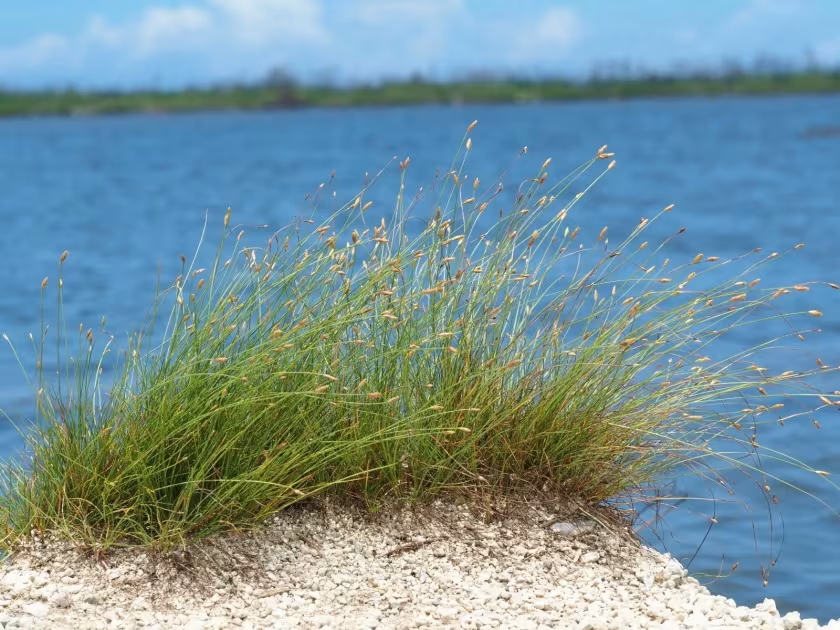
Description
Growing requirements
Fimbristylis polytrichoides is a plant belonging to the Cyperaceae family, commonly found in wetland environments. It is characterized by its adaptability to waterlogged conditions, making it a prominent feature of tropical and subtropical landscapes.
The plant thrives in regions with high precipitation and prefers moist to saturated soils. Its physiological structure allows it to maintain gas exchange even when partially submerged, which is an evolutionary advantage in wetlands.
Botanically, it features grass-like leaves and clustered spikelets. It is an annual or short-lived perennial, often propagating through seeds that can survive in the soil bank for extended periods of time.
In terms of agricultural value, it is often treated as an indicator species for soil moisture levels. In some rural communities, it is utilized for artisanal weaving, contributing to local sustainable handicraft industries.
The agronomic management of this species involves maintaining the desired water levels in controlled ecosystems to prevent it from becoming an invasive factor in commercial crops like rice.
Main diseases and pests
The primary threats to Fimbristylis polytrichoides include fungal infections that exploit the humid microclimate of the sedge canopy. Rusts and leaf spots are common diseases observed in dense populations.
Insect pests such as stem-boring larvae can compromise the structural integrity of the plant. These pests usually target the base of the stems, causing the plant to weaken and collapse.
To control these threats, farmers should implement a strict water management schedule to avoid prolonged periods of stagnation that encourage pathogen sporulation.
Environmental stress, such as sudden shifts in salinity or pH levels in the soil, can also inhibit normal growth and make the plants more susceptible to secondary infections.
Integrated pest management (IPM) strategies, including biological control agents and localized nutrient management, are recommended to maintain the health of the plant stands.