
Fimbristylis schoenoides
Fimbristylis schoenoides
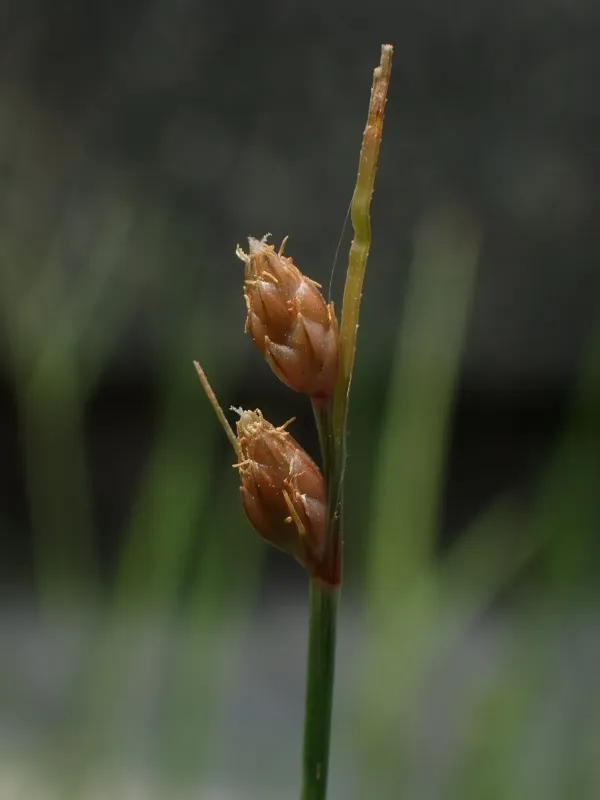
Description
Growing requirements
Fimbristylis schoenoides is a perennial herbaceous plant belonging to the Cyperaceae family. It is widely recognized for its preference for wetland environments and its physiological adaptation to inundated substrates.
The plant originates from the tropical and subtropical regions of Asia and Australia. It is frequently found in diverse habitats, including paddy fields, waterlogged grasslands, and the muddy edges of streams and ponds.
Botanically, it features slender stems and dense clusters of spikelets. Its growth cycle is strictly dependent on soil moisture availability, making it an excellent indicator of high groundwater tables.
Regarding climate requirements, it thrives in warm temperatures and requires consistent rainfall or irrigation. The species is highly sensitive to arid conditions, which limit its metabolic processes and overall growth rate.
Soil preferences lean towards acidic, nutrient-poor, yet moist soils. In agronomic contexts, it is often managed as part of wetland ecosystem maintenance or as a component in specialized agroforestry systems.
Main diseases and pests
Common threats to Fimbristylis schoenoides include fungal pathogens such as leaf spot diseases and stem rots, which often emerge during periods of stagnant water and high humidity.
Insect pests, particularly larvae of various moths, can cause significant damage by feeding on the soft tissues of the plant, potentially hindering flower development and seed dispersal.
Weed management represents a challenge in cultivated areas where Fimbristylis might compete with primary crops for soil nitrogen and phosphorus in flooded fields.
Environmental stressors such as changes in water pH or sudden variations in water levels can disrupt the health of the plant stands, leading to diminished population density.
Integrated pest management strategies are essential for maintaining healthy populations, emphasizing cultural controls over chemical interventions to preserve local wetland biodiversity.