
Fimbristylis pauciflora
Fimbristylis pauciflora
Description
Growing requirements
Fimbristylis pauciflora is a perennial herbaceous plant belonging to the Cyperaceae family. It is widely recognized as a wetland species that thrives in environments characterized by high water saturation and specific hydrological regimes.
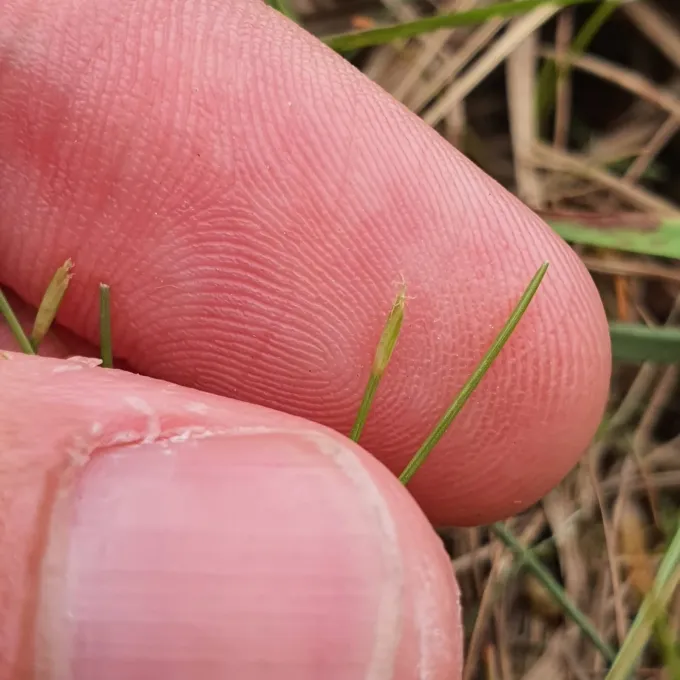
The plant exhibits typical morphological traits of the Fimbristylis genus, including slender, grass-like leaves and distinct spikelets. Its growth habit forms dense clumps, which are essential for maintaining the structure of the soil in marshy habitats.
Climate-wise, this species is adapted to tropical and subtropical zones. It requires high levels of ambient humidity and consistent soil moisture throughout its growth cycle to reach its full vegetative potential.
Soil requirements involve a preference for acidic to neutral pH levels with significant organic matter content. Ensuring that the soil remains moist is the primary management strategy for successful stand establishment.
Agricultural use focuses on its role in wetland ecosystems and potential use as specialized forage or cover crops. Management practices often involve water level regulation to mimic the plant's native habitat conditions.
Main diseases and pests
Major threats to Fimbristylis pauciflora include various leaf spot diseases and root rots caused by soil-borne pathogens. These issues are particularly prevalent in stagnant water conditions where air circulation is limited.
Pest pressure is often linked to common wetland insect species, such as stem-borers and specific leaf-feeding larvae. Integrated pest management strategies, focusing on biological controls, are recommended to maintain plant health and biomass production.