
Fimbristylis dichotoma
Fimbristylis dichotoma
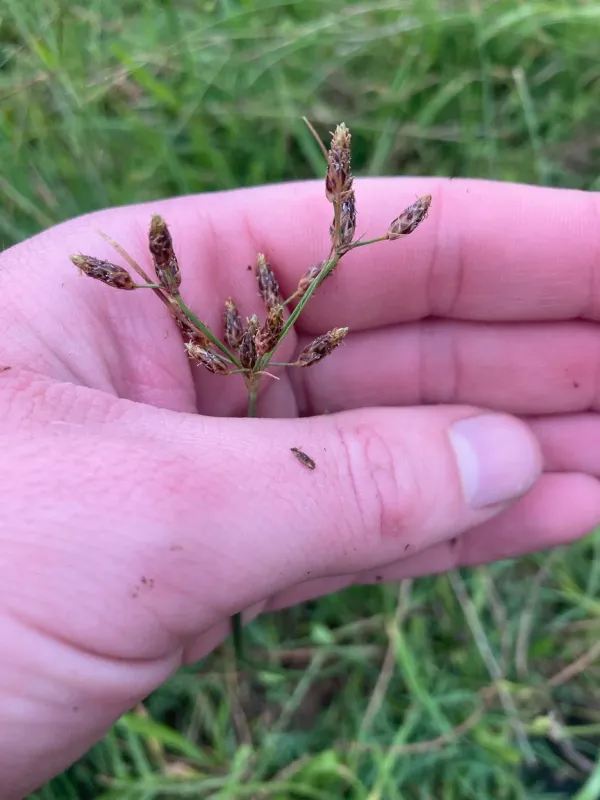
Description
Sowing dates
Fimbristylis dichotoma is a member of the Cyperaceae family, commonly known as a wetland grass. It is adapted to growing in moist soils and is considered a valuable plant for ecological restoration.
Sowing should be performed in early spring once the soil temperature is consistently above 18 degrees Celsius to ensure uniform germination.
Seeds are very small and should be sown onto the surface of the moist soil or buried no deeper than 0.5 cm for optimal establishment.
Frequent misting or flooding is necessary during the seedling stage to maintain the high humidity levels required for early development.
The plant exhibits vigorous growth once established, often forming dense mats that can effectively cover the soil surface.
Growing requirements
This species thrives in wet, marshy habitats and requires constant soil moisture to maintain its physiological functions and biomass production.
The soil should ideally be high in organic matter, such as heavy clay or silty soils, which are excellent at water retention.
It prefers warm tropical or subtropical climates and is highly sensitive to frost, which can kill the vegetative parts of the plant instantly.
Exposure to full sunlight is essential for optimal photosynthesis and robust tiller production, as shading leads to weakened stems.
Nutrient management focuses on nitrogen availability, which promotes leaf and stem growth, crucial for biomass-oriented farming.
Yield
Biomass production of Fimbristylis dichotoma is substantial in wetlands, offering a viable source of organic material for agricultural use.
Multiple harvests per year are possible in regions with long growing seasons, provided that water levels are consistently managed.
The harvested material can be processed into organic fertilizer or mulch, supporting sustainable farming practices in swampy areas.
Seed yield is naturally high, ensuring a reliable supply for future plantings or natural habitat reseeding projects.
Production efficiency depends on minimizing mechanical damage to the root system during the cultivation cycle.
Main diseases and pests
Root rot caused by stagnant water in cold conditions is a primary risk for young plantations, requiring proper water drainage management.
Pests such as aquatic insects and certain aphids can damage leaves, necessitating biological control methods rather than harsh chemical sprays.
Competition from other opportunistic wetland weeds can stunt the growth of the crop, making early-stage weeding a vital agrotechnical task.
Fungal pathogens may spread rapidly if density is too high; therefore, maintaining appropriate spacing between plants is recommended.
Monitoring the soil pH is important, as extreme changes can make the plant more susceptible to opportunistic infections.
Harvesting
Harvesting is typically conducted before the seeds reach maturity to ensure the highest nutrient content in the vegetative biomass.
Specialized equipment designed for soft, wet terrain is required to harvest the crop efficiently without causing soil compaction.
Post-harvest processing involves immediate drying to prevent microbial growth, which is a common problem due to the plant's high water content.
If harvesting for seeds, the process must be carefully timed to prevent seed dispersal, as the plant scatters seeds easily when fully ripe.
Proper storage of the final product in dry, well-ventilated areas is necessary to maintain the quality of the harvested biomass for industrial use.