
Reference · Crops
Brassicaceae
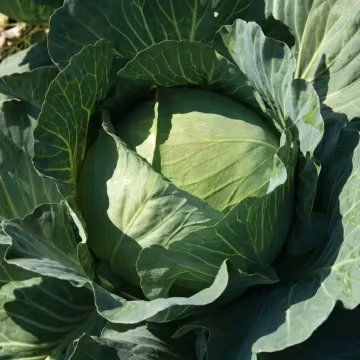
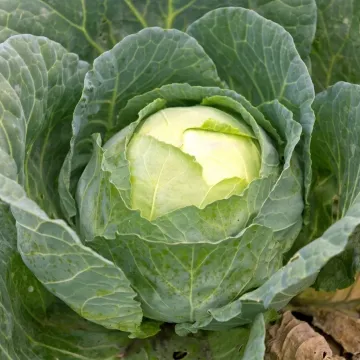
The Brassicaceae family, historically known as Cruciferae, comprises a diverse group of essential agricultural crops. This family includes staples such as cabbage, broccoli, cauliflower, radish, rapeseed, and mustard. These plants are globally significant due to their nutritional value, industrial applications, and high economic yield in modern farming systems.
666
sections
What the section contains
Lepidium schinzii
Lepidium schinzii
 Lepidium subulatum
Lepidium subulatum
Lepidium subulatum
 Lepidium villarsii
Lepidium violaceum
Lepidium violaceum
Lepidium villarsii
Lepidium villarsii
Lepidium violaceum
Lepidium violaceum
 Leptaleum
1 item
Leptaleum
Leptaleum
1 item
 Lesquerella
2 items
Lippiza cress
Rorippa lippizensis
Lesquerella
Lesquerella
2 items
Lippiza cress
Rorippa lippizensis
 Little western bittercress
Cardamine oligosperma
Little western bittercress
Cardamine oligosperma
 Litwinowia
1 item
Litwinowia
Litwinowia
1 item
 Lobularia
3 items
Lobularia
Lobularia
3 items
 Lobularia arabica
Lobularia arabica
Lobularia arabica
 Lobularia hybrids
Lobularia hybrids
Lobularia hybrids
 Lobularia libyca
Lobularia libyca
Lobularia libyca
 Lonchophora
1 item
Lonchophora
Lonchophora
1 item
 London rocket
Sisymbrium irio
London rocket
Sisymbrium irio
 Lycocarpus
1 item
Lycocarpus
Lycocarpus
1 item
 Macropodium
1 item
Macropodium
Macropodium
1 item
 Madagascar cress
Rorippa madagascariensis
Madagascar cress
Rorippa madagascariensis
 Maderan wallflower
Erysimum maderense
Maderan wallflower
Erysimum maderense
 Malcolmia
1 item
Malcolmia
Malcolmia
1 item
 Malcolmia chia
Malcolmia chia
Malcolmia chia
 Malcolmia crenulata
Malcolmia crenulata
Malcolmia crenulata
 Malcolmia exacoides
Malcolmia exacoides
Malcolmia exacoides
 Malcolmia flexuosa
Malcolmia flexuosa
Malcolmia flexuosa
 Malcolmia graeca
Malcolmia graeca
Malcolmia graeca
 Malcolmia macrocalyx
Malcolmia macrocalyx
Malcolmia macrocalyx
 Malcolmia orsiniana
Malcolmia orsiniana
Malcolmia orsiniana
 Malcolmia pygmaea
Malcolmia pygmaea
Malcolmia pygmaea
 Malcolmia ramosissima
Malcolmia ramosissima
Malcolmia ramosissima
 Malcolmia triloba
Malcolmia triloba
Malcolmia triloba
 Maresia nana
Maresia nana
Maresia nana
 Maresia pulchella
Maresia pulchella
Maresia pulchella
 Marschall's Wallflower
Erysimum marschallianum
Marschall's Wallflower
Erysimum marschallianum
 Marsh yellowcress
Rorippa palustris
Marsh yellowcress
Rorippa palustris
 Marshall's Wallflower
Erysimum marshallii
Marshall's Wallflower
Erysimum marshallii
 Matthiola
 R. Br. corr. Spreng.
3 items
Matthiola
Matthiola R. Br. corr. Spreng.
3 items
 McDonald's rockcress
Arabis macdonaldiana
McDonald's rockcress
Arabis macdonaldiana
 Mediterranean cabbage
Brassica fruticulosa
Mediterranean cabbage
Brassica fruticulosa
 Megacarpaea
2 items
Megacarpaea
Megacarpaea
2 items
 Menzies' wallflower
Erysimum menziesii
Menzies' wallflower
Erysimum menziesii
 Microthlaspi
1 item
Microthlaspi
Microthlaspi
1 item
 Morettia
3 items
Morettia
Morettia
3 items
 Moricandia
6 items
Moricandia
Moricandia
6 items
 Morisia
1 item
Morisia
Morisia
1 item
 Mountain cabbage
Brassica montana
Mountain cabbage
Brassica montana
 Mountain pepperweed
Lepidium montanum
Mountain pepperweed
Lepidium montanum
 Mountain wallflower
Erysimum jugicola
Mountain wallflower
Erysimum jugicola
 Murbeckiella boryi
Murbeckiella boryi
Murbeckiella boryi
 Murbeckiella pinnatifida
Murbeckiella pinnatifida
Murbeckiella pinnatifida
 Murbeckiella sousae
Murbeckiella sousae
Murbeckiella sousae
 Murbeckiella zanonii
Murbeckiella zanonii
Murbeckiella zanonii
 Muricaria
1 item
Muricaria
Muricaria
1 item
 Narrow-leaf bittercress
Cardamine impatiens
Narrow-leaf bittercress
Cardamine impatiens
 Nasturtiopsis
1 item
Nasturtiopsis
Nasturtiopsis
1 item
 Neotorularia contortuplicata
Neotorularia contortuplicata
Neotorularia contortuplicata
 Neotorularia torulosa
Neotorularia torulosa
Neotorularia torulosa
 Nerisyrenia
1 item
Nerisyrenia
Nerisyrenia
1 item
 Neslia
1 item
Neslia
Neslia
1 item
 Nile pepperwort
Lepidium niloticum
Nile pepperwort
Lepidium niloticum
 Nine-leaved bittercress
Cardamine enneaphyllos
Nine-leaved bittercress
Cardamine enneaphyllos
Lepidium subulatum
Lepidium subulatum
Lepidium villarsii
Lepidium villarsii
Lepidium violaceum
Lepidium violaceum
Leptaleum
Leptaleum
1 item
Lesquerella
Lesquerella
2 items
Lippiza cress
Rorippa lippizensis
Little western bittercress
Cardamine oligosperma
Litwinowia
Litwinowia
1 item
Lobularia
Lobularia
3 items
Lobularia arabica
Lobularia arabica
Lobularia hybrids
Lobularia hybrids
Lobularia libyca
Lobularia libyca
Lonchophora
Lonchophora
1 item
London rocket
Sisymbrium irio
Lycocarpus
Lycocarpus
1 item
Macropodium
Macropodium
1 item
Madagascar cress
Rorippa madagascariensis
Maderan wallflower
Erysimum maderense
Malcolmia
Malcolmia
1 item
Malcolmia chia
Malcolmia chia
Malcolmia crenulata
Malcolmia crenulata
Malcolmia exacoides
Malcolmia exacoides
Malcolmia flexuosa
Malcolmia flexuosa
Malcolmia graeca
Malcolmia graeca
Malcolmia macrocalyx
Malcolmia macrocalyx
Malcolmia orsiniana
Malcolmia orsiniana
Malcolmia pygmaea
Malcolmia pygmaea
Malcolmia ramosissima
Malcolmia ramosissima
Malcolmia triloba
Malcolmia triloba
Maresia nana
Maresia nana
Maresia pulchella
Maresia pulchella
Marschall's Wallflower
Erysimum marschallianum
Marsh yellowcress
Rorippa palustris
Marshall's Wallflower
Erysimum marshallii
Matthiola
Matthiola R. Br. corr. Spreng.
3 items
McDonald's rockcress
Arabis macdonaldiana
Mediterranean cabbage
Brassica fruticulosa
Megacarpaea
Megacarpaea
2 items
Menzies' wallflower
Erysimum menziesii
Microthlaspi
Microthlaspi
1 item
Morettia
Morettia
3 items
Moricandia
Moricandia
6 items
Morisia
Morisia
1 item
Mountain cabbage
Brassica montana
Mountain pepperweed
Lepidium montanum
Mountain wallflower
Erysimum jugicola
Murbeckiella boryi
Murbeckiella boryi
Murbeckiella pinnatifida
Murbeckiella pinnatifida
Murbeckiella sousae
Murbeckiella sousae
Murbeckiella zanonii
Murbeckiella zanonii
Muricaria
Muricaria
1 item
Narrow-leaf bittercress
Cardamine impatiens
Nasturtiopsis
Nasturtiopsis
1 item
Neotorularia contortuplicata
Neotorularia contortuplicata
Neotorularia torulosa
Neotorularia torulosa
Nerisyrenia
Nerisyrenia
1 item
Neslia
Neslia
1 item
Nile pepperwort
Lepidium niloticum
Nine-leaved bittercress
Cardamine enneaphyllos
Marketplace
Products in this section · 12



Brassicaceae
The origins of the Brassicaceae family are traced back to the Mediterranean region and parts of Asia, where they were domesticated thousands of years ago. Today, their range of cultivation extends to almost every climate zone, from temperate Northern Europe to arid regions of the Southern Hemisphere. Their wide adaptability has made them a cornerstone of global agriculture.
Botanically, these plants are identified by their four-petaled flowers arranged in a cross-like pattern, which serves as the primary diagnostic feature. They produce fruit in the form of a silique or silicle. Many species are biennial, developing a vegetative rosette in the first year and producing flowers and seeds in the second, although many modern cultivars are annuals bred for rapid harvest.
The cultivation requirements for Brassicaceae include fertile, well-draining soil with a near-neutral pH. They are notably sensitive to soil acidity, which can facilitate the spread of clubroot, a serious fungal disease. Consistent moisture and moderate temperatures are preferred, as high heat can negatively impact the quality and yield of leafy and cruciferous vegetable parts.
- Cruciferous flea beetles as primary pests
- Management of clubroot and downy mildew
- High density of planting and rotation needs
- Rich in antioxidants and glucosinolates
Economically, Brassicaceae plants serve various purposes: from fresh vegetable consumption to industrial oil production and green manure application. As cover crops, they are highly valued for their ability to suppress weeds and improve soil structure. Continuous research into disease-resistant varieties ensures that this family remains a pillar of food security and sustainable farming worldwide.