
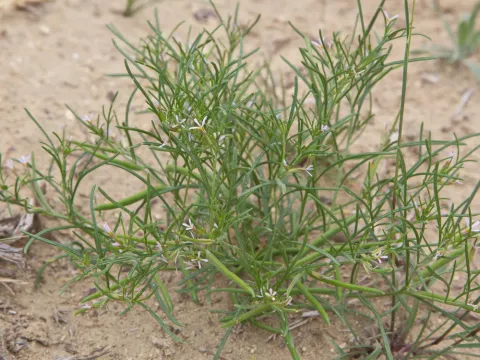
Leptaleum
Leptaleum
Leptaleum is a genus belonging to the Brassicaceae family, encompassing herbaceous annual plants adapted to specific arid climates. It is recognized for its ability to complete its life cycle within a relatively short vegetation period.
What the section contains

Leptaleum
The optimal sowing time begins in early spring, once soil temperatures reach 5–8 degrees Celsius. Adequate soil moisture at the time of sowing is critical to ensure uniform germination and subsequent seedling establishment.
Seeds are typically sown at a depth of 1.5 to 2 centimeters. Row planting is the preferred method, as it facilitates mechanical weeding and ensures that each plant receives sufficient space for development without nutrient competition.
The plant exhibits moderate frost resistance, yet stable spring temperatures are essential for vigorous early growth. Rapid development of the leaf rosette is a precursor to successful bolting and flowering.
Controlling seed density is vital, as overcrowding can negatively affect the overall yield and plant health. Proper spacing allows for better air circulation and reduces the risk of moisture-related stress.
Leptaleum thrives in well-drained, light-textured soils, such as sandy loams. A neutral to slightly alkaline soil pH is ideal for promoting healthy root development and efficient nutrient uptake.
As a light-loving plant, it requires full sun exposure to reach its maximum productivity. Inadequate light conditions result in etiolated growth and a significant reduction in seed production.
While naturally adapted to dry conditions, the crop requires consistent moisture during the flowering and pod-filling stages. Drought during these critical phases can lead to premature flower drop and reduced yields.
Fertilization should be balanced, focusing on phosphorus and potassium to strengthen the plant's structure. Excessive nitrogen application is discouraged, as it promotes excessive vegetative growth at the expense of seeds.
The crop does not tolerate waterlogging. Ensuring that the site has excellent drainage and is free from the risk of standing water is paramount for successful cultivation of this species.
Crucifer flea beetles represent the most significant pest threat to Leptaleum, particularly during the seedling stage. Regular monitoring is necessary to prevent extensive damage to the young leaves.
During the generative stage, blossom beetles can cause significant harm by damaging the flower buds. Integrated pest management strategies, including timely scouting, should be employed to control these infestations.
Fungal diseases, such as downy mildew and fusarium wilt, are common risks under humid conditions. These pathogens can severely impact plant vigor and overall seed quality if left unchecked.
Good agricultural practices, including crop rotation and the use of treated seeds, are essential for disease prevention. Removing plant residues immediately after harvest helps reduce the pathogen load in the soil.
Maintaining spatial isolation from other Brassicaceae crops helps limit the transmission of pests and diseases. Vigilant field observation is the cornerstone of managing plant health effectively.