
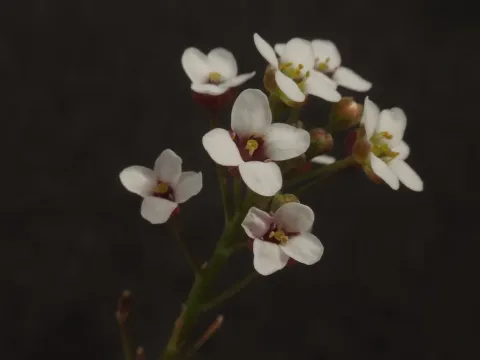
Lobularia
Lobularia
Lobularia, commonly known as sweet alyssum, is a member of the Brassicaceae family. It is typically grown from seeds sown directly into the soil after the last frost of spring.
What the section contains


Lobularia
When starting seeds indoors, sowing should occur about 6 to 8 weeks before the intended transplant date. Seeds require light for germination, so they should not be covered with heavy soil.
The germination process is relatively fast, usually taking one to two weeks under warm and moist conditions. Proper spacing is crucial to ensure good air circulation around the plants.
Once established, the seedlings are transplanted into the garden at a spacing of approximately 20 to 30 centimeters apart to encourage full, bushy development.
Direct sowing is also very effective in mild climates, allowing the plant to establish a deep root system that supports long-term blooming during the summer season.
Lobularia thrives in full sun, which is essential for producing the dense, fragrant flower clusters that the plant is famous for in landscaping.
The ideal soil for this crop is well-drained and moderately fertile. It does not tolerate waterlogged conditions, which can lead to rapid root decay.
While the plant is somewhat drought-tolerant, consistent soil moisture promotes a longer blooming period and helps maintain the plant's overall vigor.
The crop prefers cool to moderate temperatures but is adaptable enough to perform well in various garden environments if moisture needs are met.
Deadheading or shearing the plants after the first major flush of flowers can encourage a second wave of blooms, keeping the display attractive through autumn.
Flea beetles are the most significant pest for Lobularia, frequently attacking the foliage and leaving small, characteristic holes in the leaves.
Powdery mildew is a common fungal disease, especially in regions with high humidity and poor air circulation between the crowded plantings.
Root rot, caused by overwatering or poorly drained soil, can manifest as sudden wilting despite the presence of moisture in the surrounding environment.
Aphids can sometimes infest the new growth of the plant, weakening the stems and potentially transmitting viral pathogens if left uncontrolled.
To prevent these issues, it is recommended to monitor the health of the plants regularly, ensure adequate spacing, and avoid overhead watering in the evenings.