
Neotorularia contortuplicata
Neotorularia contortuplicata
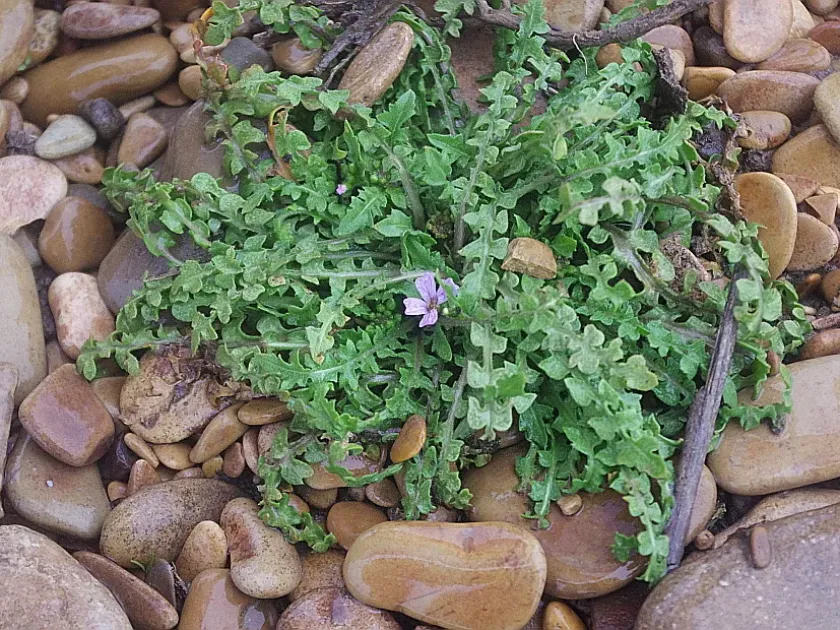
Description
Growing requirements
Neotorularia contortuplicata is a resilient annual herb belonging to the Brassicaceae family, well-adapted to arid and semi-arid environments. It serves as a study model for survival strategies in extreme weather conditions, particularly in Eurasian steppe regions.
The plant features a taproot system that facilitates efficient water uptake from deep soil layers. Its ability to thrive in poor, saline, or sandy soils makes it an interesting candidate for reclaiming degraded lands or restoring vegetative cover in desertified areas.
Growth requirements emphasize high solar radiation and low relative humidity. The species is highly sensitive to waterlogging, which often leads to root rot and suboptimal growth, suggesting that well-drained soils are essential for its cultivation.
From an agronomical perspective, the plant is primarily evaluated for its potential in stabilizing soils and providing fodder in regions where traditional forage crops fail. Its biomass production, while modest compared to irrigated crops, is highly reliable under water-limited conditions.
Cultivation practices focus on minimal intervention, prioritizing the preservation of soil structure. Direct seeding in early spring is usually recommended to capitalize on seasonal moisture before the onset of summer drought.
Main diseases and pests
Like most members of the Brassicaceae family, Neotorularia contortuplicata is susceptible to various cruciferous pests. Flea beetles are among the most significant threats, posing a danger to young seedlings during the initial development phases.
Fungal diseases, including powdery mildew and white rust, may occur under conditions of high humidity or poor ventilation. These pathogens are typically restricted by the naturally dry climate of the plant's native habitat.
Soil-borne nematodes can impact the root system, potentially reducing overall plant vigor. Field management should involve crop rotation strategies to minimize the buildup of host-specific pest populations.
Integrated pest management (IPM) is encouraged to maintain crop health. This includes selecting resistant genotypes and employing cultural practices such as early sowing to avoid peak pest activity seasons.
Preventive measures also include regular field inspections to detect early signs of infestation. Timely intervention ensures that the plant's natural resilience is not compromised by biological stress factors.