
Nasturtiopsis
Nasturtiopsis
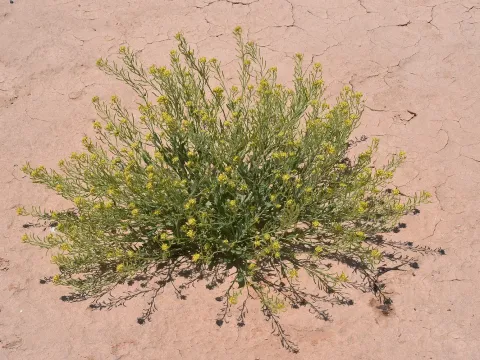
Nasturtiopsis is a genus of flowering plants belonging to the Brassicaceae family. These plants are typically characterized by a short life cycle, adapting to specific arid or semi-arid environments.
What the section contains

Nasturtiopsis
The biology of the plant allows it to thrive in regions where rapid growth during the wet season is essential for seed maturation before the onset of summer drought.
Sowing should be synchronized with the local rainy season to ensure that moisture is available during the critical germination and early establishment phases.
Seed depth should be carefully controlled as the seeds are small; a shallow placement is recommended to ensure that seedlings reach the surface without depleting energy.
Standard row planting is the preferred method, allowing for better management of weed pressure and facilitating mechanical field operations if necessary.
The crop prefers well-drained, sandy or gravelly soils that provide good aeration, which is crucial for root health in plants native to arid regions.
Nasturtiopsis shows significant tolerance for soil salinity, making it an interesting candidate for agricultural use on marginal lands that are unsuitable for other crops.
Full sun exposure is a non-negotiable requirement for this plant; it lacks shade tolerance and will exhibit stunted growth or reduced flowering in shaded areas.
The climate requirements include a distinct period of moderate temperatures followed by dry conditions during the ripening stage of the seed pods.
Fertilization levels should be managed cautiously; because it is adapted to nutrient-poor soils, excessive nitrogen can reduce yield by promoting vegetative growth over seed production.
Like many members of the Brassicaceae family, Nasturtiopsis is susceptible to the crucifer flea beetle, which can decimate young seedlings if not monitored.
Fungal diseases such as downy mildew can become an issue if environmental humidity remains high for an extended period, particularly during the vegetative stage.
Aphid infestations pose a significant threat, not only due to direct feeding damage but also because they can vector viral diseases that impact overall crop vigor.
Crop rotation is essential to prevent the accumulation of soil-borne pathogens, as consecutive planting of the same family increases the risk of root rot.
Integrated pest management strategies should focus on regular field scouting and the use of resistant varieties where available to minimize chemical input.