
Reference · Crops
Brassicaceae
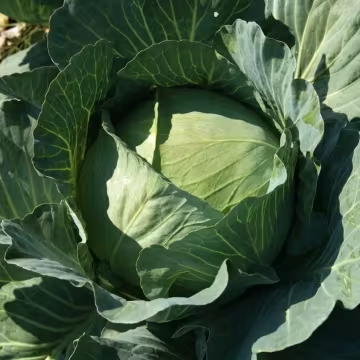
The Brassicaceae family, historically known as Cruciferae, comprises a diverse group of essential agricultural crops. This family includes staples such as cabbage, broccoli, cauliflower, radish, rapeseed, and mustard. These plants are globally significant due to their nutritional value, industrial applications, and high economic yield in modern farming systems.
Main sections
666
sections
What the section contains
 Biscutella coronopifolia
Biscutella coronopifolia
Biscutella coronopifolia
 Biscutella flexuosa
Biscutella flexuosa
Biscutella flexuosa
 Biscutella frutescens
Biscutella frutescens
Biscutella frutescens
 Biscutella rotgesii
Biscutella rotgesii
Biscutella rotgesii
 Biscutella scaposa
Biscutella scaposa
Biscutella scaposa
 Biscutella sempervirens
Biscutella sempervirens
Biscutella sempervirens
 Biscutella valentina
Biscutella valentina
Biscutella valentina
 Bitter cress
Cardamine acris
Bitter cress
Cardamine acris
 Bittercress
Cardamine
Bittercress
Cardamine
 Bittercress
Cardamine amara
Bittercress
Cardamine amara
 Bivonaea
1 item
Bivonaea
Bivonaea
1 item
 Blue rockcress
Arabis caerulea
Blue rockcress
Arabis caerulea
 Bog yellowcress
Rorippa brachycarpa
Bog yellowcress
Rorippa brachycarpa
 Boreava
Boreava
Boreava
 Bornmuellera
2 items
Bornmuellera
Bornmuellera
2 items
 Bracteated wintercress
Barbarea bracteosa
Bracteated wintercress
Barbarea bracteosa
 Brassica bourgeaui
Brassica bourgeaui
Brassica bourgeaui
 Brassica souliei
Brassica souliei
Brassica souliei
 Brassica villosa
Brassica-Diplotaxis
Brassica x Diplotaxis
2 items
Brassica villosa
Brassica villosa
Brassica-Diplotaxis
Brassica x Diplotaxis
2 items
 Braya
Braya
5 items
Braya
Braya
5 items
 Broccoli rabe
Brassica ruvo
Broccoli rabe
Brassica ruvo
 Buckler mustard
Biscutella laevigata
Buckler mustard
Biscutella laevigata
 Buenos Aires bittercress
Cardamine bonariensis
Buenos Aires bittercress
Cardamine bonariensis
 Bunias
1 item
Burchell's mustard
Sisymbrium burchellii
Bunias
Bunias
1 item
Burchell's mustard
Sisymbrium burchellii
 Calepina
1 item
Calepina
Calepina
1 item
 Camelina
1 item
Camelina
Camelina
1 item
 Camelina
Myagrum
2 items
Camelina hispida
Camelina hispida
Camelina laxa
Camelina laxa
Camelina parodii
Camelina parodii
Camelina
Myagrum
2 items
Camelina hispida
Camelina hispida
Camelina laxa
Camelina laxa
Camelina parodii
Camelina parodii
 Camelina rumelica
Camelina rumelica
Camelina rumelica
 Canton cress
Rorippa cantoniensis
Canton cress
Rorippa cantoniensis
 Cape hedge mustard
Sisymbrium capense
Cape hedge mustard
Sisymbrium capense
 Cape pepperweed
Lepidium capense
Cape pepperweed
Lepidium capense
 Capsella orientalis
Capsella orientalis
Capsella orientalis
 Cardamine appendiculata
Cardamine appendiculata
Cardamine appendiculata
 Cardamine asarifolia
Cardamine asarifolia
Cardamine asarifolia
 Cardamine bipinnata
Cardamine bipinnata
Cardamine bipinnata
 Cardamine caldeirarum
Cardamine caldeirarum
Cardamine caldeirarum
 Cardamine carnosa
Cardamine carnosa
Cardamine carnosa
 Cardamine chelidonia
Cardamine chelidonia
Cardamine chelidonia
 Cardamine corymbosa
Cardamine corymbosa
Cardamine corymbosa
 Cardamine crassifolia
Cardamine crassifolia
Cardamine crassifolia
 Cardamine diphylla
Cardamine diphylla
Cardamine diphylla
 Cardamine glanduligera
Cardamine glanduligera
Cardamine glanduligera
 Cardamine glauca
Cardamine glauca
Cardamine glauca
 Cardamine kitaibelii
Cardamine kitaibelii
Cardamine kitaibelii
 Cardamine leucantha
Cardamine leucantha
Cardamine leucantha
 Cardamine nipponica
Cardamine nipponica
Cardamine nipponica
 Cardamine occulta
Cardamine occulta
Cardamine occulta
 Cardamine pentaphyllos
Cardamine pentaphyllos
Cardamine pentaphyllos
 Cardamine plumieri
Cardamine plumieri
Cardamine plumieri
 Cardamine quinquefolia
Cardamine quinquefolia
Cardamine quinquefolia
 Cardamine sarmentosa
Cardamine sarmentosa
Cardamine sarmentosa
 Cardamine scutata
Cardamine scutata
Cardamine scutata
 Cardamine sublyrata
Cardamine sublyrata
Cardamine sublyrata
 Cardamine tenera
Cardamine tenera
Cardamine tenera
 Cardamine trifolia
Cardamine trifolia
Cardamine trifolia
Marketplace
Products in this section · 12



Brassicaceae
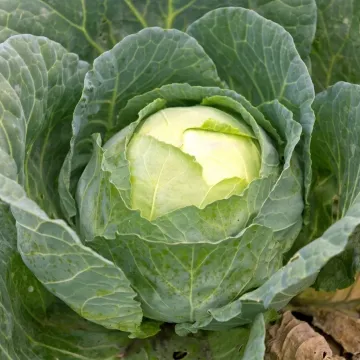
The origins of the Brassicaceae family are traced back to the Mediterranean region and parts of Asia, where they were domesticated thousands of years ago. Today, their range of cultivation extends to almost every climate zone, from temperate Northern Europe to arid regions of the Southern Hemisphere. Their wide adaptability has made them a cornerstone of global agriculture.
Botanically, these plants are identified by their four-petaled flowers arranged in a cross-like pattern, which serves as the primary diagnostic feature. They produce fruit in the form of a silique or silicle. Many species are biennial, developing a vegetative rosette in the first year and producing flowers and seeds in the second, although many modern cultivars are annuals bred for rapid harvest.
The cultivation requirements for Brassicaceae include fertile, well-draining soil with a near-neutral pH. They are notably sensitive to soil acidity, which can facilitate the spread of clubroot, a serious fungal disease. Consistent moisture and moderate temperatures are preferred, as high heat can negatively impact the quality and yield of leafy and cruciferous vegetable parts.
- Cruciferous flea beetles as primary pests
- Management of clubroot and downy mildew
- High density of planting and rotation needs
- Rich in antioxidants and glucosinolates
Economically, Brassicaceae plants serve various purposes: from fresh vegetable consumption to industrial oil production and green manure application. As cover crops, they are highly valued for their ability to suppress weeds and improve soil structure. Continuous research into disease-resistant varieties ensures that this family remains a pillar of food security and sustainable farming worldwide.