
Morettia
Morettia
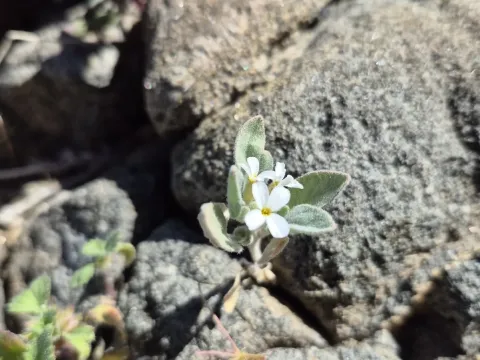
Morettia is a genus of plants belonging to the Brassicaceae family, primarily distributed across the arid regions of North Africa and the Arabian Peninsula.
What the section contains


Morettia
These plants have evolved specific physiological mechanisms to survive in harsh desert climates, characterized by high temperatures and irregular water availability.
The morphological structure of Morettia includes dense trichomes or hairs that reduce transpiration rates, acting as a natural defense against intensive solar radiation.
Optimal cultivation requires well-drained, sandy, or stony soil types with excellent aeration, as the species is highly susceptible to root decay in stagnant water conditions.
Given its ecological role, Morettia is often studied as a potential candidate for soil stabilization projects aimed at preventing desertification and maintaining biodiversity in drylands.
The primary agricultural threats to Morettia involve soil-borne fungal pathogens that thrive if irrigation levels exceed the plant's natural tolerance.
Insects common to the Brassicaceae family, such as cruciferous flea beetles and various lepidopteran larvae, frequently target the foliage during active growth phases.
Micro-environmental changes, particularly unexpected spikes in humidity, can lead to the rapid development of leaf spots or stem infections.
Overgrazing by local livestock significantly threatens the persistence of plant stands, limiting their ability to produce viable seeds for the next season.
Competition from more aggressive xerophytic invasive species may occur if the local ecological balance is disrupted by improper land management practices.