
Reference · Crops
Brassicaceae
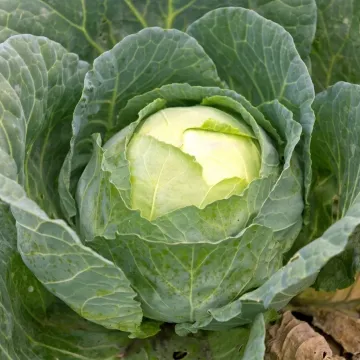
The Brassicaceae family, historically known as Cruciferae, comprises a diverse group of essential agricultural crops. This family includes staples such as cabbage, broccoli, cauliflower, radish, rapeseed, and mustard. These plants are globally significant due to their nutritional value, industrial applications, and high economic yield in modern farming systems.
666
sections
What the section contains
 Alyssum tortuosum
Alyssum tortuosum
Alyssum tortuosum
 Alyssum trichostachyum
Alyssum trichostachyum
Alyssum trichostachyum
 Alyssum umbellatum
Alyssum umbellatum
Alyssum umbellatum
 Ammosperma
1 item
Ammosperma
Ammosperma
1 item
 Anastatica hierochuntica
Anastatica
1 item
Andrzeiowskia
Andrzeiowskia
1 item
Anastatica hierochuntica
Anastatica
1 item
Andrzeiowskia
Andrzeiowskia
1 item
 Apetalous pepperweed
Lepidium apetalum
Aphragmus
Aphragmus
1 item
Apetalous pepperweed
Lepidium apetalum
Aphragmus
Aphragmus
1 item
 Arab Erucastrum
Erucastrum arabicum
Arab Erucastrum
Erucastrum arabicum
 Arabidopsis thaliana
Arabidopsis
6 items
Arabidopsis thaliana
Arabidopsis
6 items
 Arabis
7 items
Arabis
Cardaminopsis
1 item
Arabis
Arabis
7 items
Arabis
Cardaminopsis
1 item
 Arabis allionii
Arabis allionii
Arabis allionii
 Arabis amplexicaulis
Arabis aubrietioides
Arabis aubrietioides
Arabis aucheri
Arabis aucheri
Arabis amplexicaulis
Arabis amplexicaulis
Arabis aubrietioides
Arabis aubrietioides
Arabis aucheri
Arabis aucheri
 Arabis auriculata
Arabis auriculata
Arabis auriculata
 Arabis bryoides
Arabis bryoides
Arabis bryoides
 Arabis collina
Arabis flaviflora
Arabis flaviflora
Arabis hornungiana
Arabis hornungiana
Arabis collina
Arabis collina
Arabis flaviflora
Arabis flaviflora
Arabis hornungiana
Arabis hornungiana
 Arabis hybrids
Arabis hybrids
Arabis hybrids
 Arabis juressi
Arabis juressi
Arabis juressi
 Arabis nova
Arabis nova
Arabis nova
 Arabis planisiliqua
Arabis planisiliqua
Arabis planisiliqua
 Arabis pumila
Arabis pumila
Arabis pumila
 Arabis sagittata
Arabis sagittata
Arabis sagittata
 Arabis scabra
Arabis scabra
Arabis scabra
 Arabis serrata
Arabis serrata
Arabis serrata
 Arabis stenocarpa
Arabis stenocarpa
Arabis stenocarpa
 Arctic whitlow-grass
Draba arctogena
Arctic whitlow-grass
Draba arctogena
 Arcyosperma
1 item
Arcyosperma
Arcyosperma
1 item
 Armenian stonecress
Aethionema armenum
Armenian stonecress
Aethionema armenum
 Arugula
Eruca Mill.
1 item
Arugula
Eruca Mill.
1 item
 Arugula
Eruca
1 item
Atelanthera
Atelanthera
1 item
Arugula
Eruca
1 item
Atelanthera
Atelanthera
1 item
 Aubrieta
 Adans.
2 items
Aubrieta
Aubrieta Adans.
2 items
 Aubrieta
3 items
Aubrieta
Aubrieta
3 items
 Aurinia
1 item
Aurinia
Aurinia
1 item
 Aurinia corymbosa
Aurinia corymbosa
Aurinia corymbosa
 Aurinia cyclocarpa
Aurinia cyclocarpa
Aurinia cyclocarpa
 Aurinia petraea
Aurinia petraea
Aurinia petraea
 Aurinia sinuata
Aurinia uechtritziana
Aurinia uechtritziana
Aurinia sinuata
Aurinia sinuata
Aurinia uechtritziana
Aurinia uechtritziana
 Austrian hedge mustard
Sisymbrium austriacum
Austrian hedge mustard
Sisymbrium austriacum
 Awlwort
Subularia
1 item
Awlwort
Subularia
1 item
 Balearic cabbage
Brassica balearica
Balearic cabbage
Brassica balearica
 Barbarea brachycarpa
Barbarea brachycarpa
Barbarea brachycarpa
 Barbarea intermedia
Barbarea longirostris
Barbarea longirostris
Barbarea intermedia
Barbarea intermedia
Barbarea longirostris
Barbarea longirostris
 Barbarea orthoceras
Barbarea orthoceras
Barbarea orthoceras
 Barrelier's cabbage
Brassica barrelieri
Barrelier's cabbage
Brassica barrelieri
 Beira rockcress
Arabis beirana
Beira rockcress
Arabis beirana
 Berna wallflower
Erysimum burnatii
Berna wallflower
Erysimum burnatii
 Berteroa mutabilis
Berteroa mutabilis
Berteroa mutabilis
 Berteroa obliqua
Berteroa obliqua
Berteroa obliqua
 Biscutella
 L.
1 item
Biscutella
Biscutella L.
1 item
 Biscutella auriculata
Biscutella auriculata
Biscutella auriculata
 Biscutella brevifolia
Biscutella brevifolia
Biscutella brevifolia
 Biscutella cichoriifolia
Biscutella cichoriifolia
Biscutella cichoriifolia
Marketplace
Products in this section · 12



Brassicaceae
The origins of the Brassicaceae family are traced back to the Mediterranean region and parts of Asia, where they were domesticated thousands of years ago. Today, their range of cultivation extends to almost every climate zone, from temperate Northern Europe to arid regions of the Southern Hemisphere. Their wide adaptability has made them a cornerstone of global agriculture.
Botanically, these plants are identified by their four-petaled flowers arranged in a cross-like pattern, which serves as the primary diagnostic feature. They produce fruit in the form of a silique or silicle. Many species are biennial, developing a vegetative rosette in the first year and producing flowers and seeds in the second, although many modern cultivars are annuals bred for rapid harvest.
The cultivation requirements for Brassicaceae include fertile, well-draining soil with a near-neutral pH. They are notably sensitive to soil acidity, which can facilitate the spread of clubroot, a serious fungal disease. Consistent moisture and moderate temperatures are preferred, as high heat can negatively impact the quality and yield of leafy and cruciferous vegetable parts.
- Cruciferous flea beetles as primary pests
- Management of clubroot and downy mildew
- High density of planting and rotation needs
- Rich in antioxidants and glucosinolates
Economically, Brassicaceae plants serve various purposes: from fresh vegetable consumption to industrial oil production and green manure application. As cover crops, they are highly valued for their ability to suppress weeds and improve soil structure. Continuous research into disease-resistant varieties ensures that this family remains a pillar of food security and sustainable farming worldwide.