
Maderan wallflower
Erysimum maderense
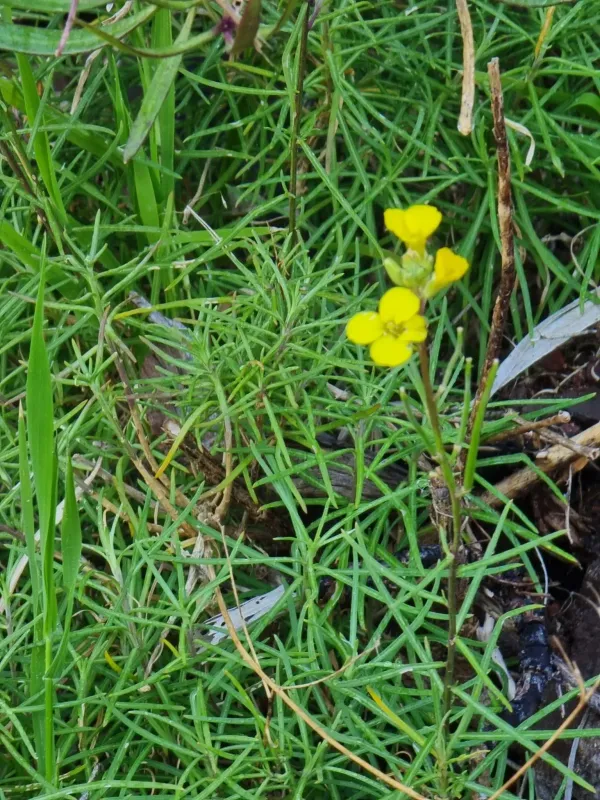
Description
Sowing dates
The Maderan wallflower (Erysimum maderense) belongs to the Brassicaceae family. Sowing is best performed in the spring, once the soil has warmed up to at least 10–12 degrees Celsius to ensure rapid germination.
For greenhouse propagation, sow the seeds in late winter or early spring using a well-draining seed-starting mix. The seeds should be pressed lightly into the surface, as they require light to germinate effectively.
Keep the substrate consistently moist but not saturated throughout the germination period, which typically lasts from 10 to 14 days under stable room temperatures.
Once the seedlings develop two or three true leaves, they should be thinned or transplanted into individual pots to allow sufficient space for root development.
Final outdoor planting occurs after all risks of frost have passed. Space the plants approximately 30 centimeters apart to promote good airflow and minimize the risk of fungal disease development.
Growing requirements
This species requires full sun exposure to thrive and produce its characteristic blooms. Planting in partial or full shade will result in spindly growth and poor flower production.
The ideal soil for Erysimum maderense is gritty, well-draining, and slightly alkaline or neutral. Heavy, compacted soils are detrimental to the root system and must be amended with grit or perlite.
Watering requirements are relatively low. The plant is drought-tolerant once established, but it appreciates regular moisture during the intense flowering stage in the late spring.
Excellent drainage is a non-negotiable requirement. In areas with high rainfall, planting on raised beds or slopes is recommended to prevent water accumulation near the crown of the plant.
As a Mediterranean-origin species, it is not fully hardy in harsh climates. Protecting the root zone with light mulch during winter can help ensure the plant's survival through colder months.
Main diseases and pests
Fungal pathogens such as downy mildew and botrytis are the primary threats. These usually occur when humidity is too high or if the plants are spaced too closely together without adequate ventilation.
Flea beetles are significant pests that frequently attack the young foliage. They create small, "shot-hole" patterns on the leaves, which can severely stress the plant in its early growth stages.
Caterpillars, particularly those of cabbage-related butterflies, can cause significant defoliation. Manual removal or the use of biological control agents is often sufficient for small garden plantings.
Aphid infestations are common during the blooming season. These insects colonize the tender flower buds, stunting growth and occasionally spreading viral diseases through their feeding activity.
Root rot is almost exclusively caused by overwatering or poor soil drainage. Implementing a rigorous irrigation schedule and monitoring soil moisture are the best preventative measures against this threat.