
Lobularia hybrids
Lobularia hybrids
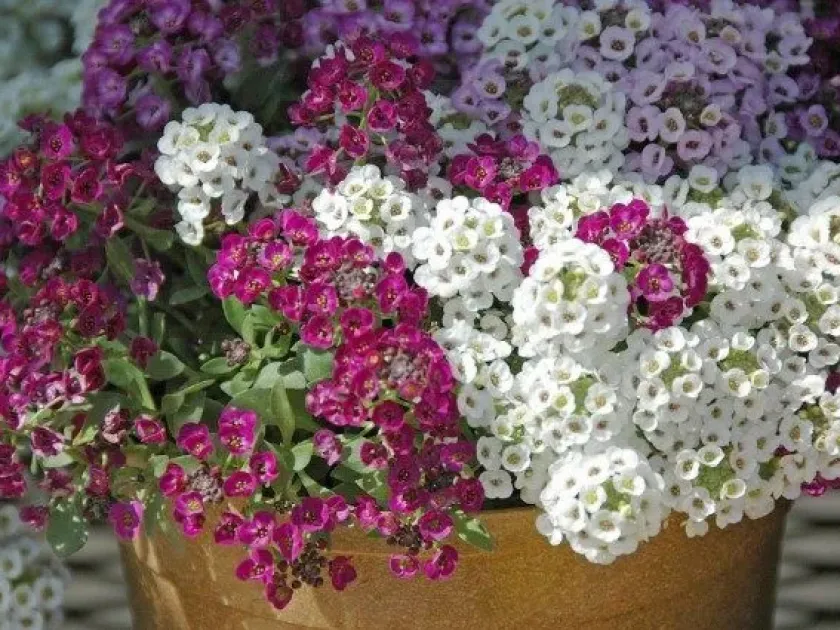
Description
Sowing dates
Lobularia hybrids, belonging to the Brassicaceae family, are typically propagated by seeds. Depending on the intended use, they can be started indoors in trays or sown directly into the prepared soil once the danger of frost has passed.
For indoor propagation, seeds should be sown in a high-quality, sterile potting mix during early spring. Germination usually takes about one to two weeks, provided the temperature is maintained between 15 and 20 degrees Celsius.
When sowing directly into the field, ensure the soil surface is finely crumbled and moist. Seeds need light to germinate, so they should not be buried deep; pressing them gently into the soil surface is sufficient for optimal establishment.
Spacing should be managed based on the specific hybrid variety and its growth habit. Generally, spacing of 20 to 30 centimeters between rows ensures adequate room for expansion while allowing for a uniform, dense canopy to develop.
Continuous sowing throughout the season is a recommended practice for those aiming to maintain a constant supply of nectar-rich flowers. This strategy ensures the presence of blooming plants from late spring until the first autumn frosts.
Growing requirements
This crop thrives in full sun exposure, although it can tolerate partial shade in hotter climates. It requires well-drained, sandy loam or loamy soils to prevent moisture-related root issues, as the species is highly sensitive to waterlogging.
Lobularia hybrids perform best when soil pH is neutral or slightly alkaline. While the plants are relatively resilient, they prefer consistent moisture levels, especially during the peak of summer when heat stress can cause a cessation of flowering.
Fertilization should be handled with caution, as high levels of nitrogen may lead to excessive foliage growth at the expense of blossom production. A balanced, slow-release fertilizer applied during the establishment phase is usually sufficient.
Regular maintenance, such as trimming back the foliage after the initial heavy bloom, is essential to stimulate secondary flowering. This technique helps in refreshing the plant and maintaining its aesthetic value throughout the growing season.
In agricultural settings, Lobularia is often used as a companion crop. Its ability to attract beneficial insects, such as hoverflies and parasitic wasps, makes it an excellent component of integrated pest management strategies on modern farms.
Main diseases and pests
Clubroot is a significant soil-borne disease affecting members of the Brassicaceae family. It causes stunted growth and wilting, and because it can persist in the soil for several years, crop rotation is the most critical management strategy.
Flea beetles are the most frequent insect pest encountered during the early stages of plant development. They feed on leaves, creating small holes that can jeopardize the health of young seedlings, necessitating early vigilance and protection.
Powdery mildew may develop in conditions characterized by high humidity and poor air circulation. Proper spacing between plants and selecting well-drained, sunny locations are the most effective preventive measures against this fungal issue.
Aphids can infest terminal shoots, particularly during dry and warm periods. While they rarely kill the plant, their presence can distort the growth of buds and blooms, necessitating targeted intervention if the infestation becomes heavy.
Effective weed management is necessary, as weed competition can easily overwhelm young Lobularia plants. Keeping the field clean during the first four to six weeks post-emergence ensures that the crop has enough resources to form a robust stand.