
Murbeckiella zanonii
Murbeckiella zanonii
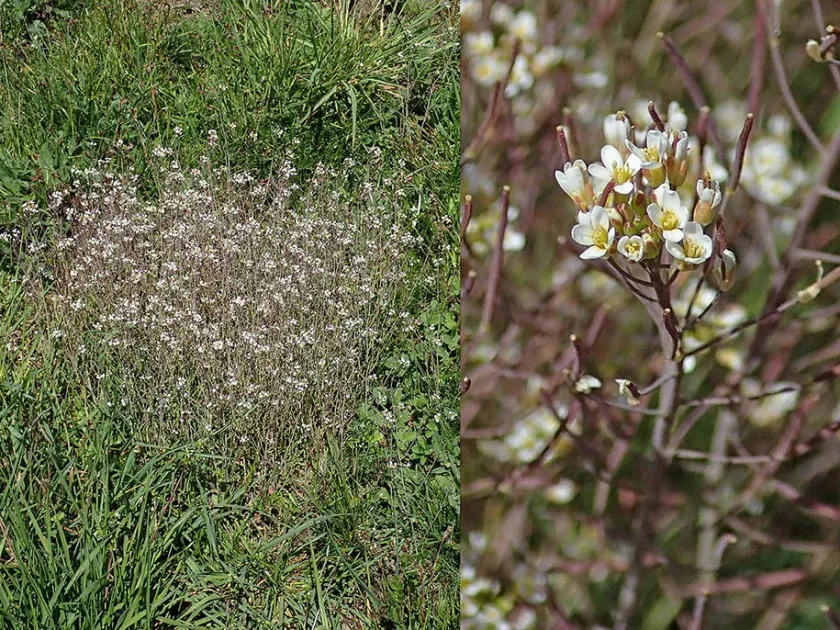
Description
Sowing dates
Murbeckiella zanonii is a rare perennial herbaceous plant that does not currently possess any status as a traditional commercial agricultural crop.
In a controlled environment, seed germination requires strict cold stratification to mimic the specific temperature cycles of the alpine climate.
Sowing should be performed using specialized substrates that offer excellent drainage, as the species is highly sensitive to damp and stagnant conditions.
The optimal timing for germination is early spring, provided the environmental temperatures remain within the cool ranges required by mountain flora.
Given its rarity, the cultivation of this species is largely restricted to botanical gardens and research facilities focused on rare alpine biodiversity.
Growing requirements
Botanically, Murbeckiella zanonii is classified within the Brassicaceae family, sharing common characteristics with other mountain-dwelling crucifers.
Its natural habitat consists primarily of limestone outcrops and scree slopes, where it has evolved to thrive in nutrient-poor, mineral-heavy soils.
The species requires high light intensity and perfect soil aeration, making it unsuitable for standard agricultural field production in lowland areas.
In terms of soil composition, it demands a neutral or slightly alkaline pH and a structure that prevents any water logging around the root zone.
Climate adaptation includes resilience to extreme diurnal temperature variations typical of high-altitude habitats found in European mountain regions.
Main diseases and pests
The primary threats to the survival of Murbeckiella zanonii include habitat loss and shifts in alpine microclimates due to broader environmental changes.
During cultivation, the most significant risk is posed by fungal pathogens that thrive in poorly drained substrates or areas with insufficient air circulation.
Common crucifer pests, such as flea beetles or various lepidopteran larvae, may feed on the foliage, impacting the plant's overall health and vigor.
Root rot is a critical concern, usually exacerbated by the presence of organic-rich soil that retains too much moisture and encourages bacterial decay.
Due to the limited research on this specific species, standardized pest and disease control protocols are currently not well-defined or documented.