
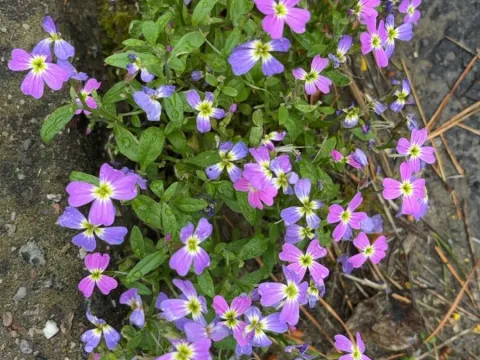
Malcolmia
Malcolmia
Malcolmia is a genus of annual flowering plants belonging to the Brassicaceae family. It is typically sown directly into the soil because the plants do not transplant well due to their sensitive root systems.
What the section contains

Malcolmia
The ideal time for sowing is early spring once the danger of hard frost has passed, usually from mid-April to early May. Fall sowing is also an option in temperate climates for earlier spring flowering.
Seeds are very small, so they should be sown shallowly, just barely covered with a thin layer of soil. Firming the soil after sowing ensures better seed-to-soil contact for more uniform germination.
Thinning is an essential practice when plants reach the first true leaf stage. Maintaining a spacing of 15 to 20 centimeters ensures that each plant has enough space to develop fully.
To extend the flowering season, gardeners often perform staggered sowings every two weeks. This technique ensures a continuous display of flowers from late spring until the end of summer.
Malcolmia thrives in full sun exposure. While it can tolerate partial shade, insufficient light often results in leggy, weak growth and reduced flowering intensity throughout the season.
Well-drained, sandy, or loamy soils are ideal for this culture. It is important to ensure the substrate is light and airy, as the plants are highly susceptible to root damage in compacted or waterlogged soils.
While the plants are relatively drought-tolerant, consistent moisture is required for optimal health. Regular but moderate irrigation is recommended during dry spells to sustain blooming.
Fertilization should be balanced, focusing on promoting floral development. A liquid fertilizer high in potassium and phosphorus, applied during the budding stage, effectively boosts the flower yield.
The plant demonstrates good cold hardiness, which is a significant advantage for early-season planting. It can withstand cooler temperatures that would be fatal to more sensitive annual varieties.
Cruciferous flea beetles are the most significant pest, particularly attacking young seedlings. If left unchecked, these insects can cause severe defoliation and plant loss in early growth stages.
Powdery mildew can become a problem under conditions of high humidity or poor air circulation. Proper spacing between plants is the most effective preventative measure against this fungal disease.
Root rot often occurs due to excessive watering or poorly drained soil. If the soil remains saturated for long periods, the roots will quickly deteriorate, leading to the collapse of the plant.
Aphids occasionally infest Malcolmia during hot, dry weather. They cluster on tender buds and shoot tips; regular monitoring and timely intervention with insecticidal soaps help prevent major infestations.
Crop rotation is critical to avoid the accumulation of soil-borne diseases common to the Brassicaceae family. Avoid planting Malcolmia in areas recently used for cabbage, mustard, or other related crops.