
Broom
Sarothamnus
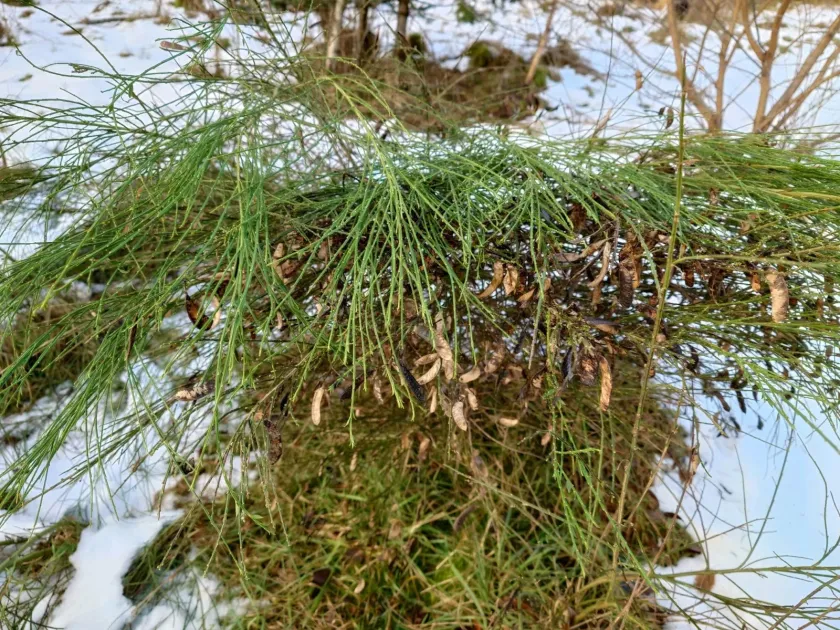
Description
Sowing dates
Broom seeds are typically sown in the spring once soil temperatures have risen sufficiently, or in late autumn to benefit from natural winter stratification.
To ensure uniform germination, seeds should undergo mechanical scarification, as the hard seed coat can otherwise delay sprouting for several weeks.
The seeds are sown at a shallow depth of approximately 1–2 centimeters, ensuring that the soil remains moist but well-drained during the initial germination phase.
For vegetative propagation, semi-hardwood cuttings should be taken in the summer and rooted in a sand-based medium to encourage rapid root development.
Young broom plants require careful monitoring during their first year, as they are initially slow to establish and can be easily outcompeted by weeds.
Growing requirements
Sarothamnus species thrive in full sun and require well-lit locations to maintain their characteristic dense growth habit and profuse flowering.
The plant is highly adapted to poor, sandy, and gravelly soils, where it utilizes its nitrogen-fixing capabilities to survive and thrive independently.
Excellent soil drainage is essential for broom; waterlogged sites are unsuitable and often lead to physiological decline and root system failure.
The plant prefers slightly acidic to neutral soil conditions and is remarkably tolerant of low nutrient levels, making it ideal for wasteland reclamation.
Broom displays significant drought tolerance once established, making it a reliable choice for landscaping and erosion control in arid environments.
Yield
Broom is highly valued in regenerative agriculture for its role as a soil improver, adding nitrogen to the soil through symbiotic root bacteria.
In landscaping and forestry, it serves as a pioneer species that stabilizes soil structures, particularly on steep slopes and sandy areas prone to erosion.
While not a traditional forage crop, the plant’s biological benefits contribute to the overall health of the ecosystem and the success of subsequent crops.
The economic value of broom is mainly realized in the nursery sector, where it is cultivated as a popular ornamental shrub for public and private spaces.
Consistent management of broom stands can lead to high biomass production, which can be utilized for organic soil enrichment when properly composted.
Main diseases and pests
Common pests affecting broom include aphids, which cluster on the tips of new growth, causing stunted development and leaf curling during early summer.
Powdery mildew represents the most prevalent fungal threat, especially in humid and stagnant air conditions where ventilation is inadequate.
Root rot, caused by various soil-borne fungi, is a common issue when the plant is exposed to excessive soil moisture or poor drainage conditions.
Effective management includes maintaining proper spacing between plants to ensure good airflow and reducing the risk of fungal pathogen spread.
In case of severe infestation, integrated pest management strategies, including the use of systemic insecticides and pruning, are recommended.