
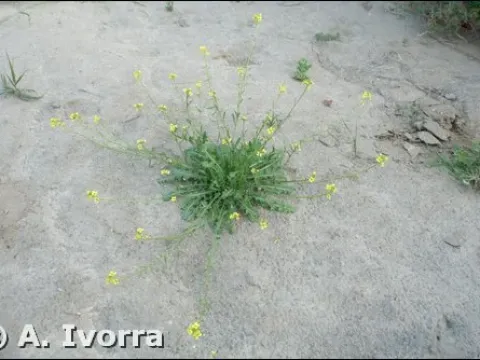
Lycocarpus
Lycocarpus
Lycocarpus, belonging to the Brassicaceae family, requires specific agricultural practices to ensure high-quality yields. Sowing is typically performed during the early spring once the soil temperature is sufficient to support germination and early growth.
What the section contains

Lycocarpus
The soil should be prepared to a fine tilth, allowing seeds to be sown at a shallow depth of approximately 1–2 centimeters. Proper seedbed preparation is crucial to ensure consistent moisture contact and uniform emergence across the field.
In temperate climates, the optimal sowing window usually falls in mid-to-late April. Careful observation of weather patterns is necessary to avoid sowing during periods of potential frost, which could damage emerging seedlings.
Spacing is a vital component of the planting strategy for Lycocarpus. Ensuring adequate distance between plants reduces inter-crop competition for light and nutrients, leading to more robust development of the vegetative mass.
Precision seeding equipment is highly recommended to manage seed density effectively. Following sowing, light irrigation is beneficial to anchor the seeds and stimulate the activation of the embryonic tissues within the seed.
Lycocarpus thrives in well-drained, loamy soils that possess a neutral or slightly alkaline pH. Proper soil drainage is essential, as waterlogged conditions can lead to root system decay and poor plant vigor.
The plant demonstrates a strong preference for high solar exposure. Locations with full sun provide the necessary energy for photosynthesis, which is critical for the development of both foliage and reproductive structures.
While the crop shows a moderate level of drought tolerance, consistent moisture availability is required for optimal productivity. Supplemental irrigation should be applied during critical growth stages, particularly if rain is insufficient.
Fertilization regimes should prioritize balanced NPK formulations, with increased focus on potassium and phosphorus for improved plant resilience. Nitrogen should be applied judiciously to prevent excessive leaf growth at the expense of yield.
Good soil structure and aeration are important for the deep development of the root system. Tillage practices should focus on maintaining porosity without destroying the natural soil aggregates that support microbial life.
Cruciferous pests, such as the flea beetle, represent a major threat to the survival of the crop, especially in the early stages of plant development. Timely monitoring and preventative measures are essential to mitigate economic losses.
Fungal pathogens, including downy mildew and other leaf spot diseases, can become problematic in humid or overcrowded conditions. Proper field sanitation and adherence to established crop rotation cycles help significantly reduce the risk of infection.
Aphid populations can escalate rapidly during dry spells, causing physical damage and acting as vectors for viral diseases. Integrated pest management strategies, utilizing both biological and chemical controls, are recommended for long-term field health.
Slugs and snails may damage the succulent foliage of the plant, particularly in regions with high precipitation. Installing physical barriers or using selective molluscicides can help protect young plantings from these opportunistic pests.
Preventative care is the foundation of successful cultivation. Regularly scouting the fields allows agronomists to identify early signs of stress or pest pressure, enabling targeted interventions before damage becomes widespread.