
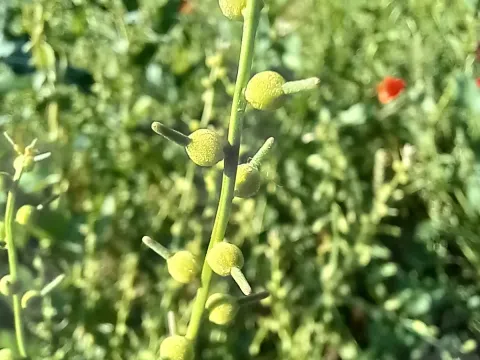
Litwinowia
Litwinowia
Litwinowia is a specialized genus of plants within the Brassicaceae family. It is recognized for its adaptation to arid and semi-arid environments, particularly in Central Asian regions where environmental conditions are harsh for most crops.
What the section contains

Litwinowia
Botanically, Litwinowia displays features characteristic of xerophytes, including a deep root system and structures designed to minimize water loss. The plant thrives in well-aerated, stony, or sandy-loam soils that prevent any form of waterlogging.
Climate requirements for Litwinowia are specific: it demands high solar radiation and thrives in regions with significant temperature fluctuations between day and night. It is exceptionally tolerant of drought, which distinguishes it from conventional oilseed crops.
Soil management for this crop requires minimal intervention regarding moisture but emphasizes the need for a neutral to slightly alkaline pH. Excessive fertilization with nitrogen may negatively impact the plant's natural adaptation mechanisms.
Economic prospects for Litwinowia lie in its potential as a specialized oilseed crop or as a botanical resource for soil stabilization in arid zones. Further research is necessary to standardize high-yield cultivars for commercial use.
Like many species in the Brassicaceae family, Litwinowia is susceptible to common cruciferous pathogens. Fungal infections such as downy mildew can occur if microclimatic conditions become unexpectedly humid during the growing season.
Root rot is a critical threat when the soil drainage is inadequate. Pathogens like Phytophthora may compromise the taproot system, leading to the sudden collapse of the plant during the flowering stage.
Pests such as flea beetles represent the most significant threat during the seedling stage. These insects can defoliate young plants rapidly, necessitating strict monitoring and early protective measures.
Diamondback moth larvae can also be a nuisance, feeding on the foliage and reducing the photosynthetic potential of the crop. Integrated pest management strategies are essential to maintain field health.
Effective management includes maintaining a robust crop rotation scheme, ensuring that fields are not continuously planted with species from the same family to break the life cycles of common pests and soil-borne diseases.