
Murbeckiella pinnatifida
Murbeckiella pinnatifida
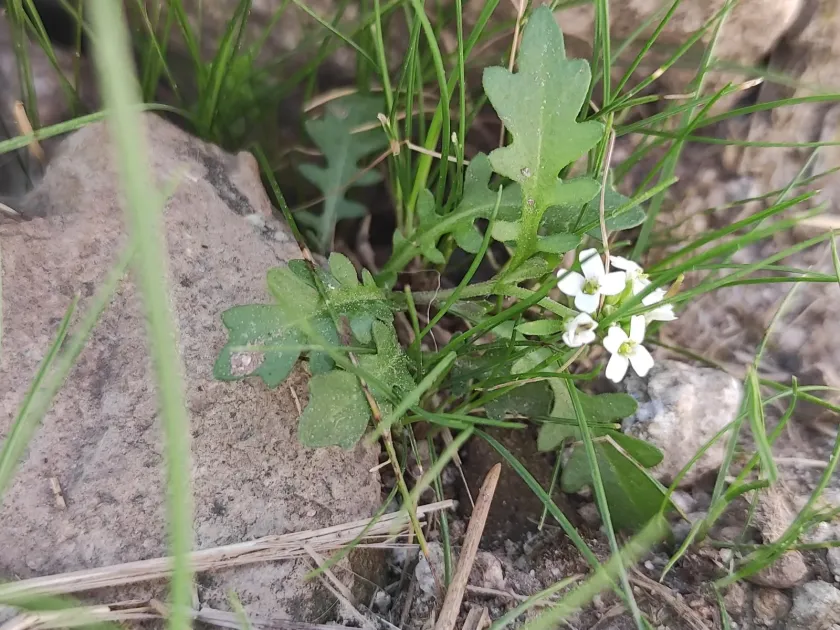
Description
Growing requirements
Murbeckiella pinnatifida belongs to the Brassicaceae family. It is a rare herbaceous plant with a restricted range of distribution in the high-mountain regions of Europe, specifically noted in the Pyrenees.
Under natural conditions, the plant prefers the harsh climatic conditions of high-mountain massifs. It is highly adapted to low temperatures and the specific rocky soil environments found in the alpine belt.
Normal development of this species requires well-drained, mineral-rich substrates typical of its native habitat. The plant is extremely sensitive to excessive moisture and waterlogging within the root system.
Botanically, the species is characterized by pinnate-dissected leaves gathered in a basal rosette and a well-developed taproot system. This structure allows the plant to efficiently absorb moisture despite sparse rainfall.
Given its rarity, the culture is not currently utilized in industrial agriculture, though it remains a subject of interest for botanical collections and research into stress-resistance genes for the Brassicaceae family.
Main diseases and pests
The primary threat to the population is climate change, which leads to the degradation of high-mountain ecosystems. The lack of natural protection makes the plant vulnerable to soil erosion in exposed areas.
Pests typical of other Brassicaceae, such as flea beetles or cabbage moths, are less frequent in high-mountain conditions but can infect the plant if cultivated in lowland environments.
Fungal diseases caused by excessive humidity, such as root rot and downy mildew, represent critical risk factors when attempting to introduce the species into controlled cultivation.
Competition from more aggressive plant species in the lower mountain belts limits the natural spread and colonization potential of Murbeckiella.
Conservation efforts involve continuous monitoring of populations and strict adherence to land-use regulations in its native habitat to prevent negative human impact.