
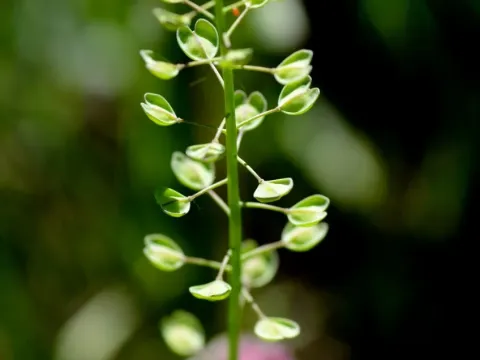
Microthlaspi
Microthlaspi
Microthlaspi is a genus belonging to the Brassicaceae family, characterized by its compact growth and adaptation to various environmental conditions. These plants are often found in open areas where they can maximize exposure to solar radiation.
What the section contains

Microthlaspi
Regarding soil requirements, Microthlaspi thrives in well-drained, nutrient-rich soils. It prefers neutral to slightly acidic conditions, which facilitate efficient nutrient uptake throughout the critical stages of its rapid growth cycle.
The plant demonstrates significant tolerance to cold temperatures, making it suitable for regions with variable spring and autumn climates. It does not require intensive irrigation, provided that there is sufficient soil moisture available during the seedling establishment phase.
Agricultural techniques should focus on optimal planting density to prevent inter-plant competition, which can lead to reduced biomass production. Seedbed preparation should prioritize a fine structure to ensure uniform seed-to-soil contact.
In terms of usage, Microthlaspi is sometimes studied for its potential in crop diversification programs. Its short vegetation period makes it an interesting candidate for catch cropping or as an ecological focus area in integrated farming systems.
Microthlaspi is susceptible to common cruciferous pests such as flea beetles, which can cause severe damage during the early vegetative stages. These pests require careful monitoring, especially during periods of warm and dry weather.
Fungal diseases like powdery mildew are common threats, particularly when environmental conditions include high humidity or poor ventilation. Implementing proper spacing between plants is essential to mitigate the risk of disease outbreak.
Root pathogens can develop if the soil remains waterlogged for extended periods. Ensuring good drainage is a fundamental agronomic practice to keep the root system healthy and prevent plant wilting.
Integrated pest management strategies are recommended, combining chemical treatments with cultural practices like crop rotation. Rotating Microthlaspi with non-Brassicaceae crops helps break the lifecycle of host-specific diseases.
Regular field scouting is critical for early detection of pest and disease symptoms. By identifying issues early, producers can apply targeted interventions, thereby reducing the need for broad-spectrum pesticide applications.