

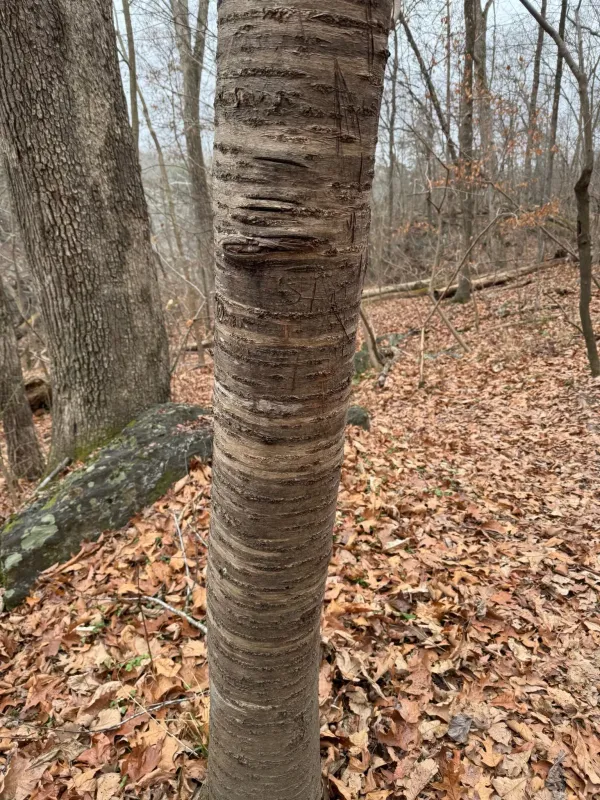
Description
Growing requirements
Sweet cherry (Prunus avium) is a deciduous tree belonging to the Rosaceae family, widely cultivated for its high-value edible drupes. The species thrives in temperate climates and requires a site with full sunlight and protection from heavy winds to ensure healthy growth and optimal fruit development.
Soil requirements are quite specific: the plant prefers fertile, well-drained loamy or sandy loam soils. It is highly sensitive to waterlogging, as poorly drained soils often lead to root rot. Therefore, the water table must be deep enough to accommodate a deep root system.
Climate conditions play a crucial role in cultivation, as excessive cold in winter or late spring frosts can damage flower buds. Successful growers choose sites with good air drainage to prevent the accumulation of cold air, which helps in protecting the blossoms from frost damage.
Agronomic practices involve regular fertilization to balance nutrient uptake, particularly during the phases of active shoot growth and fruit development. Nitrogen is essential for vegetative growth, while phosphorus and potassium are vital for fruit quality and winter hardiness.
Pruning is a fundamental aspect of cherry tree maintenance. It aims to develop a strong, open-center or central-leader structure that allows maximum sunlight penetration to all parts of the tree, which is crucial for reducing humidity and preventing fungal infections.
Yield
Sweet cherries are utilized fresh, canned, dried, or processed into juices and jams. Their market value is derived from their sweet, succulent nature and nutritional content, including vitamins and antioxidants, making them a popular global commercial crop.
Yield capacity is influenced by tree age, cultivar genetics, and pollination strategies. Most varieties are self-sterile, requiring cross-pollination from other compatible cultivars. Commercial orchards integrate multiple varieties to ensure consistent fruit set through active insect pollination.
The time to reach full maturity varies by rootstock and pruning techniques. While initial fruits appear early, a mature tree in a well-managed orchard can yield between 30 and 100 kilograms of fruit per season, depending on environmental stability during the flowering period.
Yield consistency can be challenged by adverse weather events. Modern cultivars have been developed to be more resistant to fruit cracking, a physiological disorder caused by sudden rain during the final maturation stage, which can otherwise devastate the entire harvest.
Economic success in sweet cherry production relies on selecting the right harvest time. Since cherries do not continue to ripen after harvest, they must reach their full maturity on the tree to ensure the high sugar content and texture expected by consumers.
Main diseases and pests
Effective pest and disease management is essential for a viable cherry operation. The cherry fruit fly is a primary threat, as it lays eggs in developing fruit. Integrated pest management programs, including timely chemical treatments and trapping, are standard in commercial production.
Other threats include the spider mite, which can significantly damage foliage during hot, dry seasons, leading to premature leaf drop. Regular monitoring and the application of specific acaricides help maintain tree vitality by preventing extensive mite infestations.
Fungal pathogens such as Monilinia (brown rot) and Coccomyces (cherry leaf spot) are significant risks in humid climates. Prevention involves a combination of sanitary measures, such as removing mummified fruits, and protective fungicide applications throughout the growing season.
While pests like the cabbage white butterfly, pyralid moths, gall midges, grape phylloxera, loopers, and the cabbage moth are not specific to Prunus avium, general orchard sanitation is necessary to keep the environment free of broad-spectrum threats that could compromise overall tree health.
- Regular pest population monitoring.
- Timely application of protective sprays.
- Sanitary pruning of infected branches.
- Removal of weeds and ground litter.
- Use of disease-resistant scions.
Harvesting
Harvesting is performed in dry weather conditions, as moisture on the fruit during picking encourages decay. For commercial markets, cherries are harvested with the stems intact to prevent skin breakage and juice leakage, which significantly preserves the fruit's quality.
Precision in timing is vital; fruits must be harvested at the correct stage of color development and firmness. Proper handling from tree to cold storage ensures the longevity of the fruit and maintains its superior taste and appearance for the final consumer.
In brief
10
Crop pests
Content graph
Crop pests · 10
Content graph
Connections · Sweet cherry
Most often together:
Marketplace


