
Reference · Pests
Root-knot nematodes
Root-knot nematodes (genus Meloidogyne) belong to the order Tylenchida and the family Heteroderidae. These microscopic roundworms are significant plant pathogens that live in the soil and specifically target the root systems of a vast array of crops, causing substantial economic losses worldwide.
76
items
What the section contains
 Root-knot nematode
Meloidogyne incognita
287 products
Root-knot nematode
Meloidogyne incognita
287 products
 Root-knot nematode
Meloidogyne sp.
94 products
Root-knot nematode
Meloidogyne sp.
94 products
 African gall nematode
Meloidogyne acronea
African root-knot nematode
Meloidogyne africana
Apple root-knot nematode
Meloidogyne mali
African gall nematode
Meloidogyne acronea
African root-knot nematode
Meloidogyne africana
Apple root-knot nematode
Meloidogyne mali
 Arabian root-knot nematode
Meloidogyne arabicida
Ardenensis root-knot nematode
Meloidogyne ardenensis
Bean root-knot nematode
Meloidogyne phaseoli
Brazilian root-knot nematode
Meloidogyne brasiliensis
Camellia root-knot nematode
Meloidogyne camelliae
Arabian root-knot nematode
Meloidogyne arabicida
Ardenensis root-knot nematode
Meloidogyne ardenensis
Bean root-knot nematode
Meloidogyne phaseoli
Brazilian root-knot nematode
Meloidogyne brasiliensis
Camellia root-knot nematode
Meloidogyne camelliae
 Cereal root-knot nematode
Hypsoperine
Cereal root-knot nematode
Hypsoperine
 Cereal root-knot nematode
Meloidogyne naasi
Cereal root-knot nematode
Meloidogyne naasi
 Cereal root-knot nematode
Meloidogyne artiellia
Citrus root-knot nematode
Meloidogyne citri
Clover root-knot nematode
Meloidogyne trifoliophila
Cereal root-knot nematode
Meloidogyne artiellia
Citrus root-knot nematode
Meloidogyne citri
Clover root-knot nematode
Meloidogyne trifoliophila
 Coffee root-knot nematode
Meloidogyne coffeicola
Coffee root-knot nematode
Meloidogyne coffeicola
 Coffee root-knot nematode
Meloidogyne exigua
Coffee root-knot nematode
Meloidogyne exigua
 Columbia root-knot nematode
Meloidogyne chitwoodi
Daklak root-knot nematode
Meloidogyne daklakensis
Duyts root-knot nematode
Meloidogyne duytsi
Ethiopian root-knot nematode
Meloidogyne ethiopica
Columbia root-knot nematode
Meloidogyne chitwoodi
Daklak root-knot nematode
Meloidogyne daklakensis
Duyts root-knot nematode
Meloidogyne duytsi
Ethiopian root-knot nematode
Meloidogyne ethiopica
 False Columbia root-knot nematode
Meloidogyne fallax
False Columbia root-knot nematode
Meloidogyne fallax
 Florida root-knot nematode
Meloidogyne floridensis
Forest root-knot nematode
Meloidogyne silvestris
Fujian root-knot nematode
Meloidogyne fujianensis
Florida root-knot nematode
Meloidogyne floridensis
Forest root-knot nematode
Meloidogyne silvestris
Fujian root-knot nematode
Meloidogyne fujianensis
 Grape root-knot nematode
Meloidogyne vitis
Grape root-knot nematode
Meloidogyne vitis
 Grass root-knot nematode
Meloidogyne graminis
Grass root-knot nematode
Meloidogyne graminis
 Guava root-knot nematode
Meloidogyne enterolobii
Ichinohe root-knot nematode
Meloidogyne ichinohei
Javanese root-knot nematode
Meloidogyne javanica
Jianyang root-knot nematode
Meloidogyne jianyangensis
Karssen's root-knot nematode
Meloidogyne karsseni
Kikuyu gall nematode
Meloidogyne kikuyensis
Kongo root-knot nematode
Meloidogyne kongi
Krall root-knot nematode
Meloidogyne kralli
Lemon root-knot nematode
Meloidogyne limonae
Lopez root-knot nematode
Meloidogyne lopezi
Guava root-knot nematode
Meloidogyne enterolobii
Ichinohe root-knot nematode
Meloidogyne ichinohei
Javanese root-knot nematode
Meloidogyne javanica
Jianyang root-knot nematode
Meloidogyne jianyangensis
Karssen's root-knot nematode
Meloidogyne karsseni
Kikuyu gall nematode
Meloidogyne kikuyensis
Kongo root-knot nematode
Meloidogyne kongi
Krall root-knot nematode
Meloidogyne kralli
Lemon root-knot nematode
Meloidogyne limonae
Lopez root-knot nematode
Meloidogyne lopezi
 Lusitanian root-knot nematode
Meloidogyne lusitanica
Maryland root-knot nematode
Meloidogyne marylandi
Meloidogyne megadora
Meloidogyne megadora
Meloidogyne mingnanica
Meloidogyne mingnanica
Moroccan root-knot nematode
Meloidogyne morocciensis
Lusitanian root-knot nematode
Meloidogyne lusitanica
Maryland root-knot nematode
Meloidogyne marylandi
Meloidogyne megadora
Meloidogyne megadora
Meloidogyne mingnanica
Meloidogyne mingnanica
Moroccan root-knot nematode
Meloidogyne morocciensis
 Northern root-knot nematode
Meloidogyne hapla
Otterson's gall nematode
Meloidogyne ottersoni
Oval root-knot nematode
Meloidogyne ovalis
Pea root-knot nematode
Meloidogyne pisi
Peanut root-knot nematode
Meloidogyne arenaria
Northern root-knot nematode
Meloidogyne hapla
Otterson's gall nematode
Meloidogyne ottersoni
Oval root-knot nematode
Meloidogyne ovalis
Pea root-knot nematode
Meloidogyne pisi
Peanut root-knot nematode
Meloidogyne arenaria
 Peanut root-knot nematode
Meloidogyne haplanaria
Peanut root-knot nematode
Meloidogyne haplanaria
 Pecan root-knot nematode
Meloidogyne partityla
Plane-tree root-knot nematode
Meloidogyne platani
Polycephannulata root-knot nematode
Meloidogyne polycephannulata
Pecan root-knot nematode
Meloidogyne partityla
Plane-tree root-knot nematode
Meloidogyne platani
Polycephannulata root-knot nematode
Meloidogyne polycephannulata
 Rice root-knot nematode
Meloidogyne graminicola
Rice root-knot nematode
Meloidogyne oryzae
Rice root-knot nematode
Meloidogyne salasi
Rice root-knot nematode
Meloidogyne triticoryzae
Rice root-knot nematode
Meloidogyne graminicola
Rice root-knot nematode
Meloidogyne oryzae
Rice root-knot nematode
Meloidogyne salasi
Rice root-knot nematode
Meloidogyne triticoryzae
 Root-knot nematode
Meloidogyne paranaensis
Root-knot nematode
Meloidogyne paranaensis
 Root-knot nematode
Meloidogyne propora
Root-knot nematode
Meloidogyne propora
 Root-knot nematode
Meloidogyne luci
Root-knot nematode
Meloidogyne aberrans
Root-knot nematode Meloidogyne baetica
Meloidogyne baetica
Root-knot nematode
Meloidogyne luci
Root-knot nematode
Meloidogyne aberrans
Root-knot nematode Meloidogyne baetica
Meloidogyne baetica
Marketplace
Products in this section · 12


Root-knot nematodes
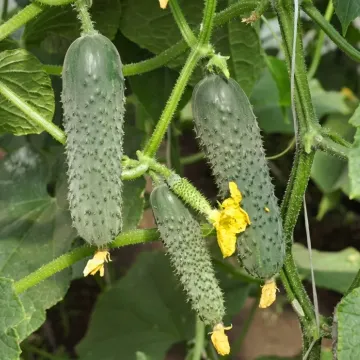
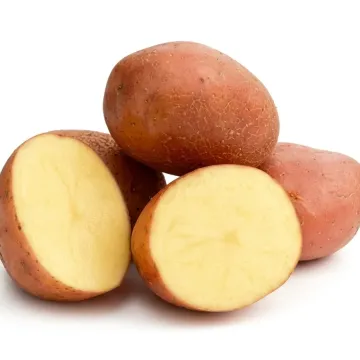
This pest is highly polyphagous and can infest over 2,000 plant species. They are particularly problematic for vegetable production, including tomatoes, cucumbers, peppers, and various root vegetables. Greenhouse environments provide ideal conditions for their rapid reproduction and persistent infestation.
The biological life cycle of these nematodes is characterized by several stages: egg, four larval stages, and adult. The second-stage juveniles (J2) are the infectious stage, actively seeking out root tips to penetrate. Once inside, they induce the plant to form giant cells, which facilitate the development of root galls or knots, ensuring a steady food supply for the parasite.
Damage caused by these organisms is easily identified by the presence of distinctive knots or galls on the roots. These malformations severely hinder the plant's ability to uptake water and nutrients. Infected plants typically exhibit stunting, wilting during hot weather, yellowing of leaves (chlorosis), and ultimately, significant yield reduction.
Effective management requires an integrated pest management (IPM) strategy. Key methods include:
- Crop rotation with non-host or antagonistic plants like marigolds.
- Using certified resistant cultivars.
- Soil solarization or steam sterilization for greenhouse beds.
- Application of biological control agents or targeted chemical nematicides.