
Reference · Pests
Stem and bulb nematodes
Systematic position. Stem and bulb nematodes belong to the family Anguinidae within the order Tylenchida. These are microscopic, filiform roundworms recognized as serious plant parasites. They possess a specialized feeding apparatus known as a stylet, which they use to penetrate plant cells and ingest internal fluids, causing significant physiological stress to the host.
44
items
What the section contains
 Stem nematode
Anguina
39 products
African peanut pod nematode
Ditylenchus africanus
Stem nematode
Anguina
39 products
African peanut pod nematode
Ditylenchus africanus
 Afrina
Afrina hyparrheniae
Afrina hyparrheniae
Afrina spermophaga
Afrina spermophaga
Afrina sporoboliae
Afrina sporoboliae
Alfalfa stem nematode
Ditylenchus medicaginis
Anguina australis
Anguina australis
Anguina paludicola
Anguina paludicola
Afrina
Afrina
Afrina hyparrheniae
Afrina hyparrheniae
Afrina spermophaga
Afrina spermophaga
Afrina sporoboliae
Afrina sporoboliae
Alfalfa stem nematode
Ditylenchus medicaginis
Anguina australis
Anguina australis
Anguina paludicola
Anguina paludicola
 Beech leaf nematode
Litylenchus crenatae
Cereal cyst nematode
Subanguina radicicola
Chilean stem nematode
Subanguina chilensis
Ditylenchus equalis
Ditylenchus equalis
Ditylenchus khani
Ditylenchus khani
Ditylenchus weischeri
Ditylenchus weischeri
Fotedar stem nematode
Ditylenchus fotedari
Grass gall nematode
Anguina graminis
Beech leaf nematode
Litylenchus crenatae
Cereal cyst nematode
Subanguina radicicola
Chilean stem nematode
Subanguina chilensis
Ditylenchus equalis
Ditylenchus equalis
Ditylenchus khani
Ditylenchus khani
Ditylenchus weischeri
Ditylenchus weischeri
Fotedar stem nematode
Ditylenchus fotedari
Grass gall nematode
Anguina graminis
 Grass seed nematode
Anguina agrostis
Grass seed nematode
Anguina agropyri
Halenchus
Halenchus
Grass seed nematode
Anguina agrostis
Grass seed nematode
Anguina agropyri
Halenchus
Halenchus
 Halenchus fucicola
Lily stem nematode
Ditylenchus convallariae
Litylenchus
Litylenchus
Litylenchus coprosma
Litylenchus coprosma
Microlaena gall nematode
Anguina microlaenae
Halenchus fucicola
Halenchus fucicola
Lily stem nematode
Ditylenchus convallariae
Litylenchus
Litylenchus
Litylenchus coprosma
Litylenchus coprosma
Microlaena gall nematode
Anguina microlaenae
 Mushroom-infesting nematode
Ditylenchus myceliophagus
Oncogenic stem nematode
Ditylenchus oncogenus
Mushroom-infesting nematode
Ditylenchus myceliophagus
Oncogenic stem nematode
Ditylenchus oncogenus
 Onion stem nematode
Afrina wevelli
Onion stem nematode
Afrina wevelli
 Pacific nematode
Anguina pacificae
Peanut stem nematode
Ditylenchus arachis
Pacific nematode
Anguina pacificae
Peanut stem nematode
Ditylenchus arachis
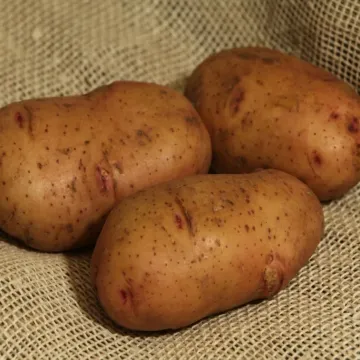
 Potato tuber nematode
Ditylenchus destructor
Pseudhalenchus
Pseudhalenchus
Pseudhalenchus minutus
Pseudhalenchus minutus
Rice stem nematode
Ditylenchus angustus
Potato tuber nematode
Ditylenchus destructor
Pseudhalenchus
Pseudhalenchus
Pseudhalenchus minutus
Pseudhalenchus minutus
Rice stem nematode
Ditylenchus angustus
 Stem and bulb nematode
Ditylenchus dipsaci
Stem and bulb nematode
Ditylenchus
Stem and bulb nematode
Ditylenchus dipsaci
Stem and bulb nematode
Ditylenchus
 Stem and bulb nematode
Ditylenchus gigas
Stem gall nematodes
Subanguina
Stem nematode
Ditylenchus adasi
Stem nematode emus
Ditylenchus emus
Stem and bulb nematode
Ditylenchus gigas
Stem gall nematodes
Subanguina
Stem nematode
Ditylenchus adasi
Stem nematode emus
Ditylenchus emus
 Strawberry stem nematode
Afrina tumefaciens
Wheat cockle nematode
Anguina obesa
Strawberry stem nematode
Afrina tumefaciens
Wheat cockle nematode
Anguina obesa
 Wheat nematode
Anguina funesta
Wheat nematode
Anguina funesta
 Wheat seed gall nematode
Anguina tritici
Wheat seed gall nematode
Anguina tritici
Marketplace
Products in this section · 12


Stem and bulb nematodes
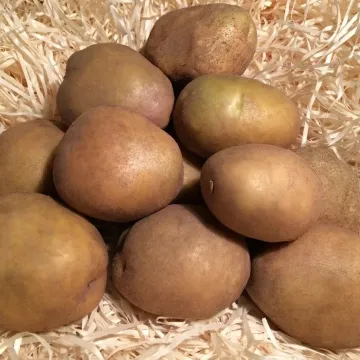
Affected crops. These nematodes are polyphagous and represent a significant threat to a wide range of agricultural and horticultural crops. Their primary hosts include garlic, onions, potatoes, strawberries, and various flower bulbs like tulips and daffodils. They can also affect several forage crops, causing widespread damage in both fields and storage facilities.
Biology and life cycle. The life cycle involves an egg stage, four larval stages, and an adult stage. Reproduction typically occurs within the host tissue. A critical aspect of their biology is the ability to enter anhydrobiosis (a state of dormant dehydration), which allows the nematodes to survive for several years in soil or dried plant debris, waiting for moisture to become active again.
Damage and pathogenicity. Feeding by Anguinidae causes distinctive symptoms such as stem twisting, swelling, and shortening of internodes. Leaves may become thickened and wrinkled. In bulbs and tubers, the tissue becomes spongy, necrotic, and prone to decay. This leads to stunted plant growth, reduced yields, and massive losses in storage as infected crops succumb to rot.
Control measures. Integrated Pest Management (IPM) is essential for controlling these nematodes, as direct chemical intervention is often difficult. Key strategies include:
- Utilizing nematode-free planting stock and certified seeds.
- Implementing long-term crop rotation with non-host crops.
- Strict field sanitation, including the removal and destruction of crop residues.
- Thermal treatment of bulbs and seeds to eliminate dormant larvae.
- Monitoring soil health and encouraging beneficial microorganisms that suppress nematode populations.