

Description
Symptoms
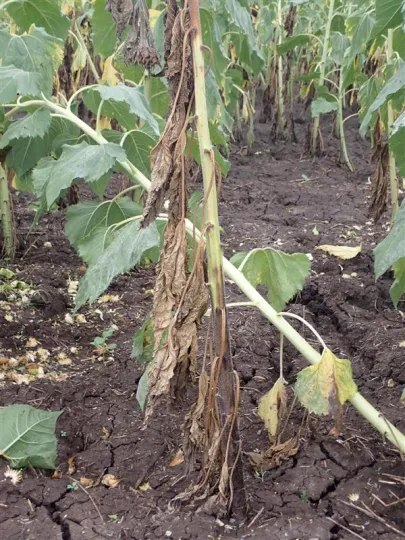
The first symptoms typically appear during the flowering stage, when the host plant faces peak water requirements and experiences stress from heat.
A characteristic ash-gray or black discoloration appears on the lower stem and taproot, caused by the density of microsclerotia within the vascular bundles.
Foliar symptoms include wilting, yellowing, and rolling of leaves, which often remain attached to the plant while it prematurely dies in the field.
Internal tissue examination reveals a black, charcoal-like appearance of the pith and the vascular cortex, signaling the advanced stage of the rot.
- Premature wilting of the crop canopy in patches.
- Black discoloration of roots and lower stem cortex.
- Stem breakage at the soil line due to tissue degradation.
- Small, shriveled, and low-quality seeds at harvest.
Pathogen
The disease is caused by the soil-borne fungus Macrophomina phaseolina, which is a notorious polyphagous pathogen affecting hundreds of plant species.
The fungus survives in the soil and on crop debris as numerous small, black, charcoal-like sclerotia, which serve as the primary source of inoculum for the next season.
Upon germination, the fungus penetrates the root system and colonizes the vascular tissues, effectively cutting off the plant's nutrient and water supply.
This pathogen can remain viable in the soil for several years, making it an extremely persistent and difficult disease to eradicate from infested fields.
Dissemination occurs primarily through movement of infested soil, contaminated seeds, and wind-borne dust carrying the hardy sclerotia across fields.
Conditions for development
Charcoal rot development is strictly favored by high soil temperatures, typically ranging between +28°C and +35°C, coupled with significant moisture deficit.
Drought stress is the primary environmental driver that predisposes crops to infection, as the plants lose their natural ability to defend against fungal colonization.
Sandy or light-textured soils that lose moisture rapidly and heat up quickly are highly conducive to the outbreaks of this devastating disease.
Invasion is often facilitated by root damage caused by soil pests, such as nematodes, which weaken the plant's resistance and provide entry points.
Inadequate agricultural practices, such as excessive plant populations or poor field drainage, can exacerbate disease pressure during dry summer months.
Why it matters
The economic impact of charcoal rot is significant, often resulting in severe yield losses, especially in high-value pulse and oilseed crops like soybeans.
The disease causes substantial reduction in grain size and weight, and can lead to complete plant death before physiological maturity is reached.
The presence of charcoal rot decreases the quality of the harvested product, including lower oil and protein content, affecting marketability.
Because the pathogen can persist in the soil for years, it poses a long-term threat that limits the choice of crops in subsequent growing seasons.
Increased field variability and patchy crop death lead to significant difficulties in machine harvesting and post-harvest quality processing.
Protection
Implementing a balanced crop rotation plan that incorporates non-host crops, such as corn or small grains, is essential to reduce the inoculum levels.
Seed treatments with appropriate fungicides can protect seedlings during early development, although they do not offer complete protection against late-season infection.
Managing soil moisture through irrigation during drought periods is one of the most effective ways to mitigate the risk of disease colonization.
Improving soil health through the incorporation of organic matter and proper tillage helps in accelerating the breakdown of infected crop residues.
The use of resistant or tolerant cultivars remains the most practical and sustainable solution for farmers in regions with high disease prevalence.
Content graph
Connections · Charcoal rot
Most often together:
Marketplace
Products · 218


Community
Discussion
No discussions yet — be the first.