


SKU #46504
·
60 views
ES WILLY
Sorghum
Euralis SemencesUser rating
0 votes0% positive reviews
No ratings yet — be the first.
Direction
Grain
Vegetation Period
90-100 days
Grain; Color
Red
Grain; Starch Content
60-70%
About product

Reliable sorghum hybrid featuring strong Fusarium resistance and excellent starch content for consistent yields.
Direction
Grain
Vegetation Period
90-100 days
Grain; Color
Red
Grain; Starch Content
60-70%
Description
Real-world experience with EC Villy
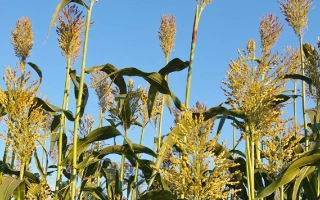
When selecting sorghum, yield stability and pathogen resistance are the main concerns. The EC Villy hybrid by Euralis Semences addresses these issues by showing high resistance to Fusarium. This French-bred variety offers a consistent performance, standing tall and resisting lodging, which ensures a clean and efficient harvest process.
Field performance and harvestability
- The 90-100 day growth cycle provides a convenient harvest window, preventing unnecessary risks from late-season weather changes.
- Height of 120-130 cm: a perfect balance for machine handling. The plants are robust enough to withstand heat stress but avoid excess biomass that usually clogs the combine.
- Grain quality: Red grain with a 60-70% starch content, ensuring marketability and high feeding or processing value.
Operating a combine for EC Villy is straightforward. Because the plant architecture is uniform and the height is moderate, the harvester consumes less fuel per hectare. We have noticed fewer mechanical issues during the harvest phase compared to taller varieties. Maintenance after the season is simplified too, as the crop residues do not cause excessive wear on the machinery components.
For the farmer, EC Villy is a predictable hybrid. It responds well to intensive management but maintains strong natural immunity, which provides a safety net against fungicide costs. It is a reliable choice for those looking to balance high starch yield with minimal field risks.
Crop & resistance
Crop
Disease resistance
Specifications hover over for a hint about the specification
|
Direction
Direction
Existing varieties and types of cabbage are grown for fresh consumption, long-term storage, and technical processing. |
|
|---|---|
| Vegetation Period | 90-100 days |
| Grain; Color | |
| Grain; Starch Content | 60-70% |
| Plant; height | 120-130cm |
| Registration year | 2021 |
| Catalog | Catalog → Sorghum |
| Manufacturer | Euralis Semences |
| Country | France |
Store offers
Prices are updated on loadLoading offers…
Available at: Zemledar
Aggregator catalog: prices are collected automatically from store websites, normalized by AI and converted at the current exchange rate. Before ordering, confirm the price and availability on the store's website. This block is not indexed by search engines — the data is loaded after the page opens.
Not yet комментариев. Be the first!
Alternatives
Sorghum seeds · similar varieties


See also
Often considered together with this variety



Recently viewed
Products you’ve viewed on this site
Reviews · 0